

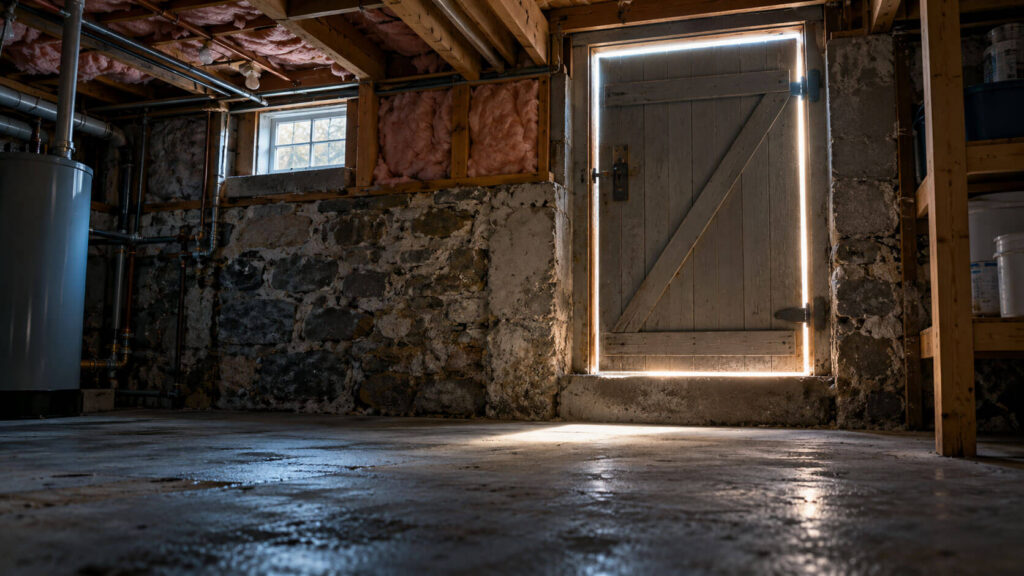
Basement Insulation Problems Hudson Valley Homeowners Shouldn’t Ignore
A basement that feels cold in October and damp by March is usually trying to tell you something. The frustrating part is that the obvious fix is often the wrong one. Homeowners see a chilly floor upstairs, grab a roll of insulation, and assume the problem is solved. In practice, that kind of shortcut can trap moisture, hide air leaks, or make an existing comfort issue more expensive to correct later.
That’s especially true in older Hudson Valley homes, where stone foundations, leaky rim joists, and uneven insulation are common. A basement problem is rarely just “cold air.” It’s often a mix of air leakage, moisture, drainage, and aging building materials working together. If you’re trying to improve comfort without creating a new problem, it helps to look at the whole system — and sometimes that means starting with insulation contractors in the Hudson Valley who understand how these homes actually behave.
Why basement insulation problems are so often misdiagnosed
Cold basement walls get blamed for a lot. In reality, the bigger issue is often air movement around the foundation, especially where framing meets concrete or stone. Contractors usually inspect the rim joist first because that’s a common weak point: it leaks air, allows moisture movement, and can make the whole basement feel colder than it really is.
Another reason these problems get misread is that homeowners focus on temperature, while contractors look for conditions. A basement may feel cold because of poor insulation, but it may also feel cold because the air is humid, the slab is uninsulated, or outside drainage is pushing moisture against the foundation. That’s why a proper diagnosis matters before anyone starts covering walls.
One counterintuitive detail: the coldest-feeling area is not always the worst-insulated one. Sometimes the issue is a draft path, not missing insulation. That’s why a quick visual inspection can be misleading.
What contractors usually check first
A good contractor is usually trying to answer a few basic questions before recommending any fix:
- Is the basement actually losing heat through the walls, or mostly through air leaks?
- Is there visible moisture, efflorescence, or past seepage on the foundation?
- Are the rim joists, sill plate, and utility penetrations sealed?
- Is the basement tied into a drainage or waterproofing issue?
- Has any existing insulation already been damaged by moisture or pests?
That last one matters more than people think. In a lot of Hudson Valley homes, old fiberglass batts are already sagging, damp, or poorly fitted. Once insulation starts absorbing moisture or settling out of place, it stops performing the way it should. It can even create a false sense of security because the wall looks “insulated” while the real energy loss keeps happening around it.
If the basement has recurring seepage, condensation, or musty odors, insulation may not be the first fix at all. In those cases, it often makes more sense to look at foundation and waterproofing contractors before investing in new materials that could fail for the same reason.
The common homeowner mistakes that create bigger problems
The most common mistake is insulating over a moisture problem. It feels productive, but it can backfire. If water is getting in through a crack, seam, or floor-wall joint, the insulation may hide the warning signs until damage spreads to framing, drywall, or stored belongings.
Another mistake is sealing part of the basement while ignoring the rest. Homeowners will sometimes add rigid foam or batts to the walls but leave gaps at the sill, utilities, or stairwell. The result is uneven comfort and pockets of condensation, which can make mold control harder rather than easier.
And then there’s the “it’ll be fine until next year” approach. In older homes, waiting usually costs more. A small air leak in November can become a damp, mold-prone section by spring, especially if the property has poor grading, mature trees, or a high water table. If heavy rain has already exposed basement moisture issues, it’s worth reviewing basement moisture and drainage warning signs before assuming insulation is the real problem.
Why basement insulation and moisture problems overlap so often
Hudson Valley basements have a way of mixing concerns together. Freeze-thaw cycles open up small cracks. Rain runs toward low spots. Long driveways and sloped lots can push water where it doesn’t belong. Add stone foundations, old mortar, and decades of patchwork repairs, and the basement becomes a place where insulation, drainage, and waterproofing all overlap.
That overlap is why the cheapest repair is often the least durable one. Homeowners sometimes spend on insulation because it’s the visible problem, while the real issue is moisture intrusion from outside. Contractors see this all the time: the wall gets insulated, the basement still smells damp, and the homeowner ends up paying twice.
If the basement is finished or partially finished, the risk is even higher. Hidden moisture can damage drywall, flooring, trim, and stored items long before anyone notices a major leak.
What actually works better than a quick patch
The best approach depends on what the basement is doing, not just how it feels. In some homes, the right solution is air sealing plus targeted insulation at the rim joist. In others, it’s wall insulation paired with better dehumidification and drainage corrections. In homes with chronic seepage, the order of operations matters: fix water management first, then improve the thermal envelope.
That’s why experienced contractors tend to think in layers:
- Control water outside the house first.
- Seal obvious air leaks and penetrations.
- Use insulation that suits the basement’s moisture conditions.
- Protect exposed materials from condensation and bulk water.
If your basement is part of a bigger comfort issue, it may also connect to attic heat loss or air leakage elsewhere in the house. That’s where it helps to think about the home as a system, not a collection of unrelated rooms. A basement that feels cold can be part of the same envelope problem as other insulation-related comfort issues upstairs.
Signs the problem is bigger than insulation alone
Some warning signs point beyond a simple insulation upgrade:
- Musty odors that return after cleaning
- White powder or residue on foundation walls
- Rust on appliances or stored tools
- Visible mold on framing or nearby materials
- Cold floors that stay cold even after weatherizing other parts of the house
- Repeated condensation on pipes or ductwork
These are often signs that humidity, drainage, or foundation seepage is part of the story. A basement can be cold and damp for different reasons at the same time. The challenge is figuring out which symptom is driving the other.
That’s also why insulation work in older finished spaces can be tricky. If the walls are already closed in, you need a careful plan that avoids tearing out more than necessary. In those situations, homeowners often need guidance on adding insulation in older finished spaces without creating a demolition project just to improve comfort.
When DIY is reasonable and when it gets risky
Simple air sealing around obvious penetrations can be a reasonable DIY job for a careful homeowner. So can basic weatherstripping and some humidity control. But once you’re dealing with basement walls, rim joists, or signs of moisture intrusion, the risk goes up quickly.
The big danger is using the wrong material in the wrong place. Some products are fine in dry areas but fail when a basement wall gets damp seasonally. Others solve one issue while making the space harder to dry out. That’s the kind of mistake that doesn’t always show up right away — it tends to surface after one wet spring or one long humid summer.
If the basement has old wiring, exposed utilities, or mixed materials from previous renovations, that’s another reason to slow down. In a lot of older homes, the basement has been modified multiple times, and not all of those updates were done with moisture control in mind.
How to judge whether a repair is likely to last
A lasting repair usually addresses the cause, not just the symptom. If a contractor recommends insulation, it should come with a clear explanation of why that material is appropriate for the basement’s moisture conditions. If drainage is part of the issue, the contractor should be able to explain how water is getting to the foundation and what will stop that path.
Homeowners should be cautious of any fix that sounds too clean or too fast. In basement work, the “easy” answer is often the one that skips the most important step. A good contractor will usually talk through moisture, airflow, and the condition of the existing foundation before talking about finish materials.
That doesn’t mean every basement needs a major overhaul. It means the repair should match the problem. Sometimes the right answer is modest and targeted. Other times it’s a combination of insulation, drainage correction, and waterproofing detail work that prevents repeated failures.
Frequently Asked Questions
Can I insulate a damp basement?
Usually not until the moisture issue is understood. Insulating over damp walls or recurring seepage can trap water and create longer-term damage.
What part of the basement causes the most heat loss?
The rim joist and other air-leak areas are often bigger problems than homeowners expect. Wall insulation matters, but uncontrolled air movement can make the space feel much colder.
Why does my basement still feel cold after I insulated part of it?
There may be air leaks, humidity problems, or moisture intrusion elsewhere in the basement. Comfort problems rarely come from one source only.
Is spray foam always the best option?
Not always. It can work well in the right place, but the basement’s moisture conditions and the condition of the foundation should guide the decision.
Should I fix drainage before basement insulation?
If there’s any sign of seepage, yes. Water management should come first because insulation won’t solve a drainage problem.
What should I ask a contractor before starting?
Ask what they believe is causing the problem, what they inspected first, and how their proposed fix will hold up through Hudson Valley winters and wet spring weather.
If your basement has been cold, damp, or uncomfortable for more than one season, it’s worth getting a grounded opinion before covering the problem up. The right contractor will help you sort out whether you’re dealing with insulation, drainage, moisture, or a mix of all three — and that kind of clarity usually saves money in the long run.
