

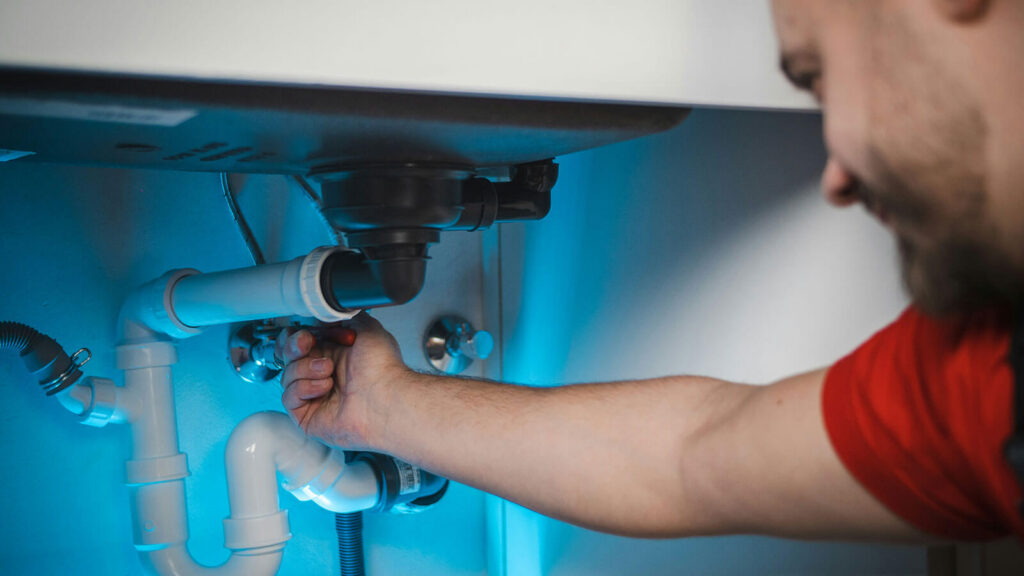
Drain cleaning is one of those home expenses that seems straightforward until the estimate comes back higher than expected. A slow kitchen sink, a backed-up shower, or a main line that keeps clogging rarely has just one cause, and that’s where the real cost difference starts to show up. In a place like Dutchess County, where older homes, tree roots, and seasonal runoff can all affect drainage, the price of a simple cleaning can change fast depending on what’s actually going on behind the walls or underground.
What homeowners are really paying for with drain cleaning
Most people think they’re paying for someone to “snake a drain,” but that’s only part of the job. A professional visit usually includes diagnosing the blockage, choosing the right equipment, and deciding whether the issue is isolated or part of a bigger plumbing problem. That matters because a sink clog is not the same as a recurring main line backup or a storm-related drainage issue that keeps returning after heavy rain.
Basic drain cleaning may be relatively inexpensive when the clog is easy to reach and caused by something simple like grease, soap buildup, or hair. Once the clog is deeper in the line, more stubborn, or tied to a damaged pipe, the cost goes up. If the contractor has to inspect multiple fixtures, pull a toilet, access a cleanout, or use a camera to find the blockage, that’s a different service than a quick manual clear.
For homeowners comparing options, it helps to look at related exterior drainage issues too. Clogged gutters and poor runoff can create the kind of water pressure that contributes to repeated basement or foundation problems, which is why some homeowners end up needing Dutchess County gutter services alongside plumbing work.
Why drain cleaning costs vary so much
The biggest cost factor is location. A clog at the trap under a bathroom sink is usually easy to access. A blockage in a main sewer line buried under a yard, driveway, or slab is a different story. In Hudson Valley neighborhoods with mature trees and older infrastructure, root intrusion is a common reason for recurring drain problems, especially in homes with aging clay or cast-iron lines.
Another factor is severity. A slow drain often signals buildup. A fully blocked line, especially one causing backups in more than one fixture, can mean the problem is farther down the system. Contractors usually inspect the simplest access points first: traps, cleanouts, vents, and the fixtures that are backing up. If they suspect a deeper issue, they may recommend camera inspection before clearing it, because otherwise the same clog may come back within days or weeks.
Timing also affects price. Emergency calls on a weekend, after-hours service, or service during a storm can cost more. That’s especially relevant in spring, when heavy rain exposes weak drainage systems all over the Hudson Valley. If runoff and yard drainage are already struggling, a plumbing backup can feel worse than it would in a dry season.
Common mistakes that make drain problems more expensive
Homeowners often wait too long to call. A drain that gurgles, empties slowly, or smells bad is already trying to tell you something. By the time water is backing up into a tub or spilling into a basement floor drain, the issue may no longer be a routine cleaning.
Another expensive mistake is using chemical drain cleaners repeatedly. They may seem cheaper than a service call, but they can damage older pipes, loosen corrosion, and mask the real problem. In houses with aging plumbing, especially those still relying on older cast iron or galvanized piping, that extra wear can make a future repair more complicated.
It’s also common for people to assume every clog is the same. A bathroom sink clog, a kitchen grease blockage, and a whole-house sewer backup all need different approaches. Contractors usually want to know which fixtures are affected, whether the issue is recurring, and whether anything unusual happened recently, like a power outage, a storm, or a sudden drop in water pressure.
When a simple cleaning turns into a bigger repair
Drain cleaning is often the first step, not the final answer. If the line keeps clogging, the contractor may find a deeper issue such as pipe sagging, root intrusion, scale buildup, or a broken section of pipe. In older homes, especially properties with additions over the years, the plumbing system may have multiple transitions between pipe materials or improvised connections that narrow the line and trap debris.
That’s when the real decision-making starts. A homeowner may be looking at repeated cleanings every season, but a better long-term fix could be partial line replacement, root removal, or a repair that addresses the slope or integrity of the pipe. A good contractor will explain whether the problem is likely to stay manageable or whether the cleanup is only temporary.
If drainage issues are recurring during wet weather, it can also be worth looking beyond the pipe itself. Water pooling near the foundation, wet basement walls, or a sump pump that runs constantly can point to a broader moisture problem. In that case, speaking with foundation and waterproofing contractors in Dutchess County may make more sense than treating the drain issue as isolated.
What contractors usually inspect first
A reliable plumber or drain specialist usually starts by narrowing the problem instead of jumping straight to expensive work. They’ll often ask:
- Which fixture is backing up first
- Whether the problem affects one drain or several
- Whether the clog returns after cleaning
- Whether there’s been recent heavy rain or freezing weather
- Whether the home has a cleanout and where it’s located
That process matters because the first visible clog is not always the true source. A sink might seem blocked, but the issue could be in the branch line serving that bathroom. A first-floor floor drain might back up because the main sewer line is partially obstructed. The best contractors look for the pattern before they start removing parts or recommending replacement.
If you’re trying to understand the cost side before scheduling service, it can also help to compare a cleaning estimate with a broader seasonal maintenance estimate like spring gutter cleaning costs in Dutchess County. Both services are part of keeping water moving away from the house, and both tend to get more expensive when homeowners wait until there’s an active problem.
DIY drain clearing: what is safe and what is not
Simple clogs near the surface are often safe to handle with a plunger, a hand auger, or by cleaning the trap under a sink. That’s reasonable if the problem is localized and you’re not dealing with sewage, standing water, or repeated backups. But once a clog involves multiple fixtures, foul odors, or wastewater, the DIY line gets crossed quickly.
One of the biggest risks is forcing a tool into the line without knowing what you’re hitting. Older pipes can be brittle, partially collapsed, or already weakened by corrosion. It’s also easy to make a partial clog worse by compacting it farther down the line. If you’ve already tried the obvious fixes and the drain still backs up, it’s usually smarter to stop before turning a service call into a repair.
How Hudson Valley weather affects drain problems
Seasonal weather plays a much bigger role than most homeowners expect. Freeze-thaw cycles can shift soil, stress buried lines, and expose weak points in drainage systems. Heavy spring rain can overwhelm gutters, downspouts, and yard grading, pushing water toward basement entries and foundation cracks. In wooded areas, tree roots stay active in the search for moisture, which is why some of the worst clogs show up after wet weather rather than during dry stretches.
That’s why some of the best preventive work happens before a storm season starts. A good look at drainage around the property, along with gutter cleaning and inspection before heavy rain, can keep a small issue from turning into a flooded basement or a backed-up drain line.
What a fair drain cleaning estimate usually includes
A fair estimate should be clear about what kind of cleaning is being done, what access is required, and whether additional diagnosis is likely. If the contractor is vague about the scope, homeowners can end up surprised by add-on charges for camera inspection, equipment access, or extra labor once the job starts.
Good estimates should also explain whether the contractor expects the clog to be a one-time service or a recurring issue. That distinction matters because a simple one-off blockage should cost less than a system that needs repeated attention. If the contractor thinks the line may need more than cleaning, they should say so plainly instead of letting the problem keep coming back.
Frequently Asked Questions
How much does basic drain cleaning usually cost?
Basic cleaning is usually the least expensive when the clog is easy to reach and clearly localized. The price rises when the contractor needs specialized equipment, access to a main line, or diagnostic work.
Why does one drain cleaning quote seem much higher than another?
Usually because the jobs are not the same. One may be a simple sink clog, while another involves a sewer line backup, a camera inspection, or a hard-to-access cleanout.
Should I clean the drain myself first?
Yes, if it’s a minor, isolated clog and you’re comfortable using basic tools. If the problem returns quickly, affects several fixtures, or involves wastewater, it’s time to stop and bring in a pro.
Can tree roots really cause drain backups?
Absolutely. In older Hudson Valley homes, root intrusion is a common cause of recurring sewer and drain problems, especially near aging buried lines.
How do I know if it’s a drain issue or a bigger plumbing problem?
If multiple drains are slow, toilets are bubbling, or water is backing up in different parts of the house, the issue is probably beyond one fixture. That usually points to a main line or venting problem.
Is drain cleaning something I should schedule before storm season?
If your home has a history of backups, slow drainage, or water issues around the foundation, yes. Preventive maintenance is usually cheaper than dealing with an emergency after a heavy rain.
Drain cleaning is rarely just about the drain itself. The real value comes from understanding why it clogged, whether it’s likely to return, and whether water around the home is part of the picture. If you want to avoid costly guesswork, it helps to work with local professionals who understand Hudson Valley homes, older systems, and the weather patterns that put extra pressure on them.
When the signs are starting to add up, getting experienced guidance early is usually the easiest way to protect the home and keep a small plumbing issue from turning into a much bigger repair.