

How Roof Leaks Turn Into Wall Damage: What Hudson Valley Homeowners Need to Watch
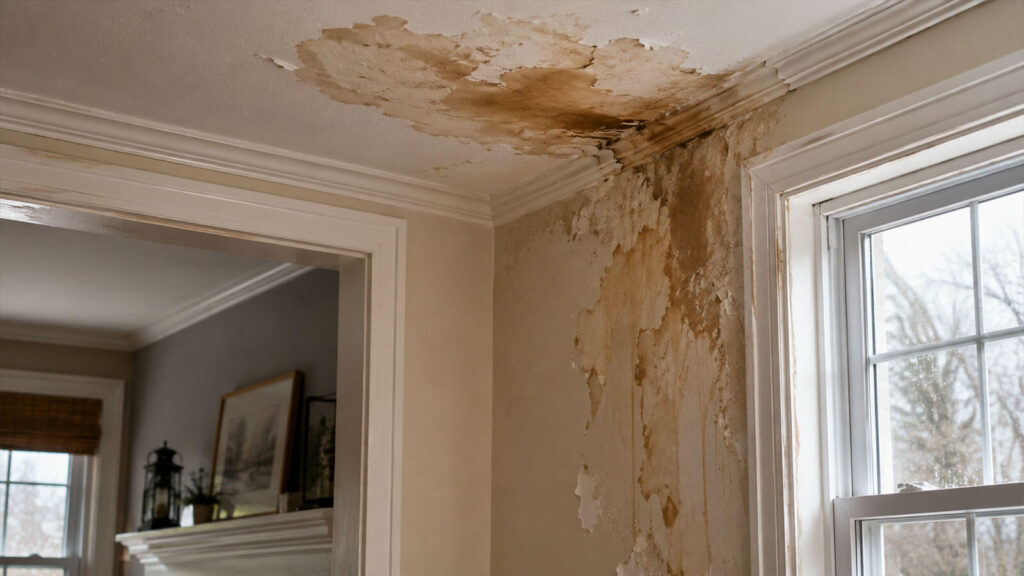
A small water stain near a ceiling line is easy to dismiss. A lot of people do. The problem is that roof leaks rarely stay neatly where they start, and by the time water shows up on an interior wall, the damage is often no longer “small.” It may have already moved through insulation, framing, drywall, or around a chimney chase before anyone notices.
That is why roof-related wall damage tends to be more expensive than homeowners expect. The visible stain is usually only the last clue. In older Hudson Valley homes especially, water can travel a surprising distance before it ever becomes obvious indoors. By the time you are patching paint, the real issue may be missing flashing, a compromised roof penetration, or a gutter and drainage problem that has been quietly feeding water into the structure.
If you are trying to understand where to start, working with local roofing contractors is usually the most practical first step. The right contractor does not just look at the stain and guess. They trace the path of water, check the roof edge, examine penetrations, and look for the conditions that let the leak spread in the first place.
Why wall damage from a roof leak is so easy to misread
Homeowners often assume the damage inside the house points directly to the source above it. That is not always true. The stain on the ceiling or wall is often several feet away from the actual leak, especially when water runs along rafters, insulation, or framing before it breaks through drywall.
That detail matters because many people waste time and money fixing the wrong area. They patch the interior stain, repaint, and feel relieved for a few weeks. Then the stain comes back after the next heavy rain or snow melt. At that point, the repair has already become more involved, because the repeated wetting may have damaged drywall seams, insulation, or wood trim.
A counterintuitive reality: the visible ceiling mark is often not the worst part of the problem. What contractors worry about first is what happened behind the wall surface while nobody could see it. Moisture trapped inside a wall cavity can lead to soft drywall, insulation that no longer performs, hidden wood rot, or mold growth if the area stays damp long enough.
What usually causes roof leaks that end up in walls
In the Hudson Valley, the usual suspects are familiar: worn flashing, failed pipe boots, loose shingles, clogged gutters, ice damming, and damage around chimneys, skylights, or valleys. None of those are exotic problems. What makes them expensive is how long they can go unnoticed.
Flashing is one of the biggest offenders because it fails quietly. A roof may look fine from the ground, but the seams around a dormer, vent, or chimney can open up just enough to let in wind-driven rain. Once water gets behind the flashing, it does not need much help to find a wall cavity.
Gutters and downspouts are another overlooked cause. A roof can be structurally sound and still leak into a wall if water is overflowing at the eaves and soaking the fascia, soffit, or exterior wall assembly. In neighborhoods with mature trees, that happens more often than people realize. Leaves, needles, and debris can turn a normal rain into a backup at the roof edge.
That is also why a good roof flashing problems that lead to leaks article or inspection guide is worth reading before you assume the roof itself needs major replacement. Often the issue is a localized failure, not a full-roof catastrophe.
The signs homeowners tend to ignore too long
Water damage usually announces itself before it becomes dramatic. The early signs are subtle: a faint yellow stain, paint bubbling near a corner, trim that starts to swell, a musty smell after rain, or a small patch of drywall that feels soft when pressed.
In older homes, especially those with stone foundations, plaster walls, or layered renovations, the clues can be even less obvious. A little discoloration might show up far from the actual leak path. Sometimes the first warning is not even visible water. It is a humidity problem or a persistent damp smell in a second-floor room after a storm.
Homeowners should also pay attention to seasonal patterns. If the problem shows up during freeze-thaw cycles, snowmelt, or a stretch of wind-driven rain, that narrows the likely causes. Ice dams, roof edge failures, and flashing gaps become much more likely than a plumbing issue inside the wall.
What contractors usually inspect first
Experienced roofers rarely start by tearing into drywall. They trace the leak from the exterior and work backward. That usually means checking the roof slope, the area above the stain, penetrations, chimney flashing, valleys, and the roof edge. They also look at gutters, fascia, soffits, and attic ventilation, because those systems often reveal why the leak became visible indoors.
An attic inspection can be especially revealing. Wet insulation, darkened roof sheathing, or visible daylight where there should not be any can tell a contractor much faster than a room-by-room guess. In some homes, the attic shows the problem before the interior wall does.
If the leak has already traveled into finished space, the most useful next step is often a full roofing contractors in Westchester County consultation or a similar local inspection in your county. Local crews are more familiar with the roof styles, aging materials, and weather patterns that show up again and again in this region.
Why quick cosmetic fixes usually fail
Painting over a stain does not solve a roof leak. Neither does replacing a small section of drywall before the leak source is identified. Those fixes can make the room look better for a while, which is exactly why they are tempting. But if water is still getting in, the damage keeps moving behind the surface.
Another common misstep is using caulk as a permanent repair. Caulk has its place, but it is not a substitute for proper flashing, replacement shingles, or correct roof detailing. In fact, repeated caulking often hides the real failure until the next storm makes it worse.
That is the kind of situation where homeowners end up paying twice: once for the cosmetic repair and again for the actual water intrusion problem. And by then, the drywall or insulation work may be larger because the hidden moisture had more time to spread.
The cost of waiting is usually bigger than the leak itself
Roof leaks that enter a wall rarely stay isolated. Once water reaches framing or insulation, the scope can grow into drywall removal, insulation replacement, paint, trim work, and sometimes mold remediation or carpentry repairs. If the leak is near a window, chimney, or exterior corner, the repair may also involve flashing or siding details.
That is why a minor stain can become a major project surprisingly fast. The leak itself may have been tiny. The damage comes from repetition. A little water over multiple storms is often more destructive than one dramatic event that gets found immediately.
In parts of Dutchess and Putnam counties, where homes often sit under mature trees and weather exposure can be uneven from one side of the house to another, these leaks can be slow-burning. A roof side that faces prevailing wind or catches drifting snow may age differently than the rest of the roof. That is how a home ends up with one problem wall and an otherwise decent-looking exterior.
When DIY makes sense, and when it does not
There is nothing wrong with doing a careful visual check from the ground, clearing obvious gutter debris, or documenting where the stain first appeared. Those are sensible first steps. But once the interior wall is showing active damage, the situation usually moves beyond a simple homeowner fix.
Climbing onto a roof to chase a leak is where DIY starts getting risky. Not just because of fall hazards, but because roof leaks are easy to misdiagnose. A homeowner may seal the obvious spot and still miss the actual entry point. If the problem is around flashing, a vent boot, or a hidden roof transition, the wrong repair can make the leak harder to trace later.
If you want a practical next step rather than a guess, it helps to use a storm damage roof inspection resource after wind, heavy rain, or snow-related events. Storm conditions often expose weaknesses that were already there, and that pattern matters when you are deciding whether the issue is urgent.
How to reduce the chance of repeat damage
The best prevention is usually boring, which is exactly why people postpone it. Keep gutters clear, watch for overflow during heavy rain, check attic ventilation, and inspect roof penetrations before winter and after major storms. If your house has older roofing or a history of patch repairs, do not assume the latest stain is unrelated to the last one. Recurring leaks often share the same weak point.
It also helps to inspect the home from the perspective of water movement, not just roof material. Where does runoff go? Are downspouts dumping too close to the foundation? Is there ice forming at the eaves? Are there branches rubbing on the roof surface during wind? These small conditions influence whether a roof detail lasts or fails.
For homeowners who like to stay ahead of trouble, a roof inspection checklist for homeowners can be a useful seasonal habit, especially after winter. Catching a roof issue before it reaches a wall is almost always cheaper than opening up finished interior space later.
Regional realities that make Hudson Valley homes more vulnerable
The Hudson Valley has a lot of homes that combine age, weather exposure, and patchwork upgrades. That creates a repair environment where one problem often influences another. Roof leaks are a good example. Older rooflines, additions, dormers, detached garages, and long-term maintenance gaps all raise the odds that water will find a way into the structure.
Snow load and freeze-thaw cycles matter too. Water that gets into a small gap can freeze, expand, and worsen the opening. Then spring rain finishes the job. That pattern is common enough that contractors often look at both winter damage and spring runoff when diagnosing wall staining.
If you are in Dutchess County and seeing signs of repeated moisture near the same room or exterior wall, it may be worth reviewing Dutchess County roofing services before the next wet season. Likewise, if the problem tends to show up after storms or gusty weather, homeowners in western parts of the region often benefit from looking at Putnam County roof leak help that matches local roof conditions and repair needs.
Frequently Asked Questions
Can a roof leak really cause damage inside a wall?
Yes. Water often travels behind drywall or framing before it becomes visible. By the time you see a stain, the wall cavity may already have been wet for a while.
Why does the stain on the wall not line up with the leak?
Because water follows framing, insulation, and other materials before it emerges. The entry point is often several feet away from the visible damage.
Is it safe to just patch the drywall first?
Not if the leak is still active. Cosmetic repairs can hide the problem and delay the real fix, which usually makes the eventual repair more expensive.
What should I look for after a heavy storm?
Check for new stains, bubbling paint, damp smells, attic moisture, gutter overflow, and any change around chimneys, skylights, vents, or roof edges.
Do roof leaks always mean I need a full roof replacement?
No. Many leaks come from flashing, penetrations, or localized roof damage. A targeted repair is often enough if the roof is otherwise in good shape.
When should I stop troubleshooting and bring in a contractor?
If the stain is growing, the wall feels soft, the leak returns after rain, or you cannot identify the source from the exterior, it is time for professional inspection.
When roof damage starts showing up inside the house, the safest move is usually to find out exactly where water is entering before the repair expands. A careful local inspection can save you from replacing materials you did not need to touch in the first place, and it gives you a clearer path to a lasting fix.