

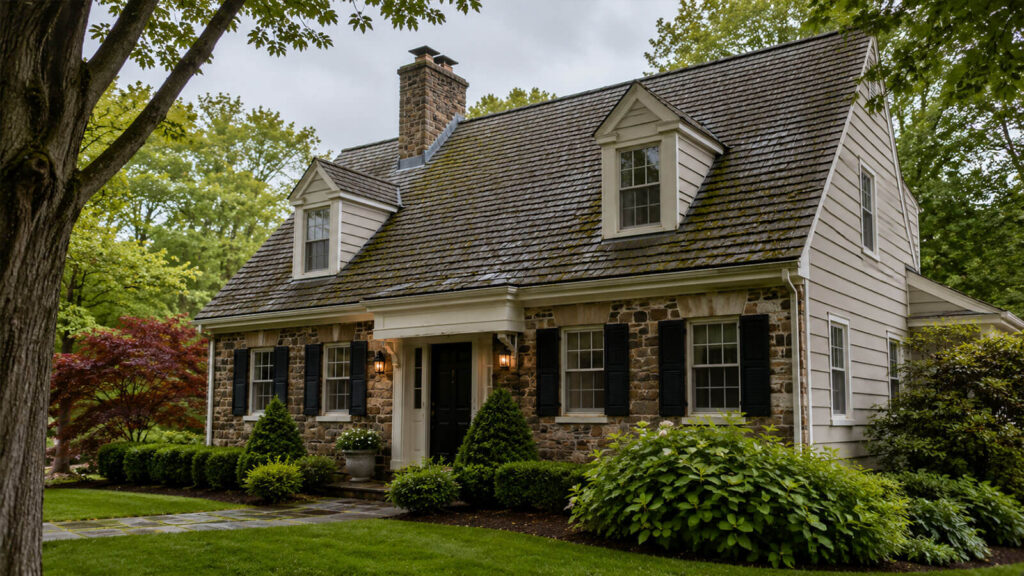
Should You Replace the Roof Before Selling Your Hudson Valley Home?
That question usually comes up right when a homeowner is trying to keep a sale moving and avoid unnecessary spending. The tricky part is that a roof decision is rarely just about the shingles. It affects inspection findings, buyer confidence, insurance, repair credits, and sometimes whether the deal even stays smooth through closing.
In practice, the right answer depends on age, visible wear, leakage history, attic conditions, and how the rest of the house presents. A roof that looks “fine from the street” can still become a negotiation problem once the inspector gets involved. And in older Hudson Valley homes, that disconnect happens more often than people expect.
Why the roof becomes a bigger issue during a sale
Buyers rarely look at the roof in a vacuum. They’re thinking about the next five to ten years, not just whether the shingles still keep water out today. That’s why a roof can become the easiest item for buyers to use as leverage. Even if it is not actively leaking, signs of aging can trigger concern about hidden damage, future cost, or insurance headaches.
Contractors usually look at the roof the way an inspector and a future buyer would: age, slope, shingle condition, flashing, penetrations, gutters, soffits, ventilation, and any signs that water has been sneaking into the attic or wall system. If you’re trying to understand whether replacement is truly necessary, it helps to start with a roof inspection before listing rather than guessing from ground level.
That one step often saves homeowners from making either of the two expensive mistakes: replacing a roof too early, or waiting until a buyer’s inspection creates a much weaker negotiating position.
What experienced contractors usually check first
A good roofing evaluation is less about dramatic damage and more about pattern recognition. Contractors tend to start with the places where roofs actually fail: the valleys, flashing, ridge caps, chimney intersections, pipe boots, and gutters. Those are the areas where a roof may look acceptable at a distance but still be failing in predictable ways.
They’ll also look for granule loss, curling, soft spots, previous patchwork, and inconsistent shingle aging. If one section is clearly newer than the rest, that usually tells a story. Sometimes the previous owner repaired one trouble spot and left the larger aging pattern untouched.
One counterintuitive thing homeowners miss: the stain on the ceiling often is not directly below the actual roof leak. Water can travel along rafters, sheathing, or even around framing before it shows up inside. That’s why a quick patch from the inside or a sealant job on the visible stain rarely solves the real problem.
When replacement makes more sense than repair
Not every roof needs to be replaced before a sale. But replacement becomes more defensible when the roof is near the end of its useful life, has widespread wear, or has a history of recurring repairs. A buyer may still accept a roof that has been serviced, but they are much less comfortable with a roof that has clearly been patched in multiple places and still looks uneven or aged.
Replacement tends to make the most sense when:
- the roof is already well beyond its expected service life
- there have been repeated leak issues in different areas
- the attic shows moisture staining, mold risk, or ventilation problems
- the shingles are brittle, curling, or losing granules heavily
- the house is being listed in a price range where buyers expect a turn-key exterior
- the roof issue could affect financing, insurance, or appraisal negotiations
In the Hudson Valley, older homes with steeper roofs, chimneys, dormers, and complex valleys often age unevenly. A simple ranch roof is one conversation. A larger home with multiple roof planes, older flashing, and mature trees dropping debris into the gutters is another. Those houses can develop hidden wear long before the most obvious shingles fail.
When a repair may be the smarter move
If the roof still has meaningful life left and the issue is isolated, a targeted repair can be the better financial choice. This is especially true when the concern is tied to a single flashing detail, a damaged vent boot, a small section of storm damage, or one localized leak rather than broad deterioration.
That said, homeowners sometimes lean too hard on the idea of “just fixing the bad spot.” That approach can work, but only if the roof system around it is still sound. A patch on an already tired roof often just delays the next problem long enough to become the new owner’s problem, which is exactly the kind of thing that causes post-inspection tension.
If storm activity is part of the story, a storm damage roof inspection can help distinguish between isolated damage and broader roof failure. That distinction matters more than most sellers realize, because storm-related defects are often easier to document than general age-related wear.
What buyers notice even when they don’t say it out loud
Buyers are rarely roofing experts, but they are very good at sensing uncertainty. A roof with streaking, uneven color, sagging lines, missing granules, or obvious patch repairs creates the feeling that other hidden maintenance may also have been deferred. That feeling can affect the whole transaction.
And in competitive markets, especially where buyers are already stretching their budgets, they often prefer a house with one obvious repair already handled rather than a property that might turn into multiple post-closing projects. Roof condition becomes shorthand for how the rest of the home has been maintained.
This is where homeowners sometimes misjudge the situation. They assume the roof only matters if it leaks. In reality, it often matters because it signals maintenance discipline. Buyers and inspectors both read it that way.
Hudson Valley homes have a few roof-related quirks
Local conditions make roof decisions a little less straightforward than they look on paper. Freeze-thaw cycles, snow load, wind-driven rain, heavy summer storms, and tree cover all create more wear on roofing systems than homeowners expect. Add in older houses with stone foundations, limited attic insulation, or outdated ventilation, and the roof may be working harder than the exterior appearance suggests.
Long private driveways, wooded lots, detached garages, and shaded roof planes can all contribute to slower drying, more moss or algae growth, and gutter buildup. In some cases, the roof itself is not the only issue. Poor attic ventilation, clogged gutters, and ice dam history can make a roof look worse than it actually is, or accelerate wear on a roof that should have lasted longer.
That’s why local roofing decisions should be based on the whole system, not just the shingles.
The hidden costs of waiting too long
Delaying a necessary replacement can create more than just a leak. Once water gets into the roof assembly, the repair scope can spread to insulation, sheathing, attic framing, drywall, trim, and sometimes even electrical concerns if moisture reaches light fixtures or junction areas. What started as a roofing issue can become a broader interior repair project.
There’s also the negotiation cost. If the roof problem is discovered during inspection, the seller often loses control of how the issue is framed. At that point, the buyer may ask for a price reduction, a repair credit, or a full replacement arranged under pressure. That’s usually a less favorable position than choosing the timing yourself.
For homeowners in tighter markets, it can be worth speaking with roofing contractors before listing so you understand whether the roof is a simple disclosure item, a repair candidate, or a replacement that will protect the sale from complications.
How to avoid overpaying for the wrong fix
The cheapest quote is not always the best option, especially before a home sale. A low-cost repair may satisfy the immediate leak but leave the underlying aging system untouched. On the other hand, some contractors will recommend full replacement when a more modest repair and documentation would be enough.
The smart move is to ask what is actually being corrected. Is it a flashing failure? Widespread shingle fatigue? Ventilation-related condensation? Damage from a recent storm? These are not the same problem, and they should not get the same solution.
Homeowners often get into trouble by approving a fast patch without asking whether the roof is nearing the end of its service life. A temporary fix can be useful when the roof is otherwise healthy. It is a poor strategy when the roof is already showing multiple signs of age.
Pre-listing decisions that make the most sense
If you are trying to decide whether to replace the roof before selling, the most practical approach is to think in terms of market position, not just repair cost. A house that already has strong curb appeal, a clean inspection report, and no visible roof concerns may not need a full replacement. But a roof that is clearly aging can drag down the rest of the listing, even if the interior is in great shape.
That is why homeowners in Dutchess, Putnam, and Westchester counties often get better outcomes when they compare repair cost, replacement cost, and likely buyer reaction together. If the roof is borderline, getting input from roofing contractors in Dutchess County or exploring Westchester County roofing services can help you understand what local buyers are likely to object to.
For Putnam homeowners, the same logic applies. A roof that seems “good enough” can still become an issue if the inspector spots aging shingles or suspect flashing. In that case, Putnam County roofing help may be the difference between a predictable sale and a round of repair requests after inspection.
Frequently Asked Questions
How do I know if my roof is too old to sell the house with?
Age matters, but condition matters more. A roof that is near the end of its expected life, shows widespread wear, or has repeated leak history is more likely to become a negotiation issue than one that has been maintained and still looks structurally sound.
Will a buyer always ask for a new roof?
No. But if the roof looks tired or the inspector flags it, buyers often ask for a credit, a repair, or a price reduction. The more visible the wear, the more likely roof condition becomes part of the conversation.
Is a roof repair enough before listing?
Sometimes. If the problem is isolated and the rest of the roof still has decent life left, a targeted repair can be reasonable. If there are multiple signs of aging, repair may only postpone a larger issue.
Should I replace the roof before getting an appraisal?
Not always. But if the roof is clearly in poor shape, it can affect buyer confidence and negotiations more than the appraisal itself. In that situation, getting an inspection first usually gives you better information.
What roof problems do inspectors usually notice first?
Missing or curling shingles, flashing issues, staining in the attic, sagging lines, poor ventilation, and signs of past leaks. Inspectors also pay attention to whether the roof looks patched in an inconsistent way.
Can storm damage change the decision?
Yes. Storm-related damage can shift the conversation from general aging to a more specific repair or insurance-related issue. That is why documentation matters if the roof trouble appeared after high winds or heavy weather.
If the roof is part of your pre-sale planning, the safest move is to get a grounded opinion early, before the problem turns into a bargaining chip. A good local roofing assessment can help you decide whether to repair, replace, or simply disclose with confidence.