

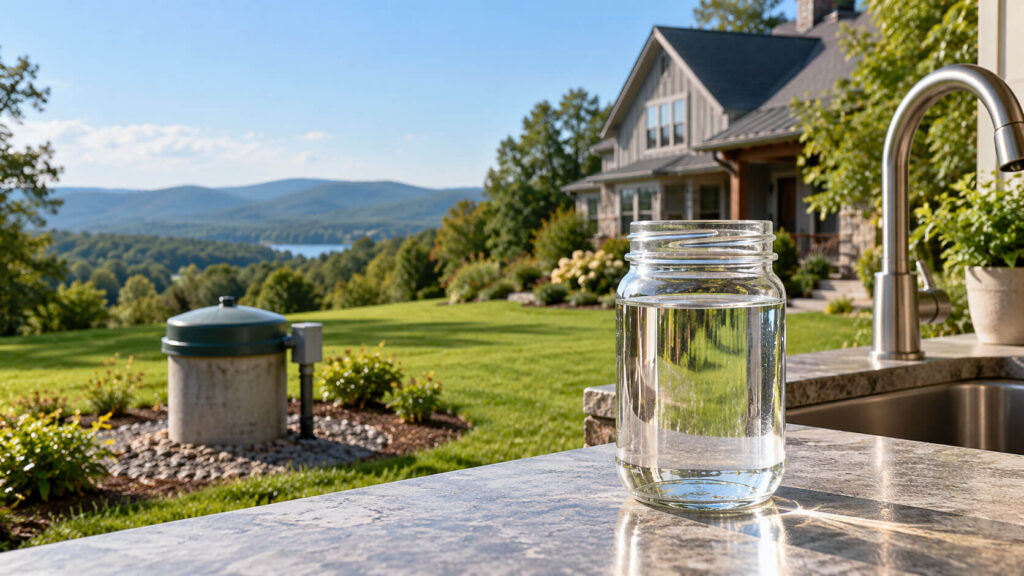
Yes—if a home relies on a private well, a water test before buying private well is one of the smartest checks you can make before closing. It helps you understand whether the water is safe to drink, whether the well system is performing as expected, and whether the property may need follow-up evaluation after you move in.
A home inspection can point out visible conditions, but it usually does not tell you what is in the water. That is where professional water testing comes in. A proper test can help identify issues that affect health, plumbing, appliances, or the overall cost of owning the home. If the results raise concerns, they can also point you toward the right next step rather than leaving you to guess.
What a private well water test can tell you
A water test is a screening and, when lab analysis is involved, a more specific measurement of what is in the water. Depending on the test panel and the provider’s scope, it may check for bacteria, nitrate, iron, manganese, hardness, pH, sulfur odor, sediment, or other concerns. Some buyers also ask for additional testing when the property has an older well, a history of water treatment equipment, or signs of discoloration or odor.
The point is not only to find out whether the water tastes or smells fine on the day you sample it. It is to understand whether the well water may need treatment, whether a follow-up specialist should inspect the system, or whether the results change how comfortable you feel about the purchase.
Why this matters before closing
Private wells are not connected to a public water utility, so the buyer is responsible for understanding the water source and any equipment that serves it. A test before closing can help you avoid assuming that clear-looking water is necessarily clean water. Some concerns are invisible, and some issues only show up under lab testing or after water sits in the system.
This is especially useful when the home has been vacant, has older plumbing, sits on a wooded lot, or uses a well system that you have not had time to observe under normal conditions. Even then, the test does not guarantee everything is perfect; it simply gives you better information for a purchase decision.
What to ask before the sample is taken
Sampling method matters. Different providers may collect water in different ways, and the location of the sample can affect what the test represents. Before you schedule, ask:
- What contaminants or conditions are included in the test panel?
- Will the sample be taken at the kitchen faucet, a treatment system outlet, or another point in the plumbing?
- Does the home have any filtration, softening, or disinfection equipment that could affect the result?
- Will the results be compared to any local, state, or lab guideline values, if applicable?
- Will I receive a written report that explains the findings in plain language?
Those questions help you understand whether the test is broad enough for your needs and whether the report will be useful if a concern shows up. A low-cost test may cover only a narrow set of items, while a broader panel may be more appropriate for an older or previously untreated well.
What the testing professional usually handles
A water testing professional or lab-focused service typically handles the collection process, sample preservation, transport, and analysis, depending on the scope of work. Some providers also explain how to read the report and whether the results suggest follow-up with another professional.
That scope is not the same as repairing the well, replacing a pump, or designing a treatment system. If the test suggests a mechanical problem with the well system, the right next step may be to speak with well pump and water services contractors rather than trying to solve everything through testing alone.
How to prepare for the test
Buyers usually do not need to do much, but a few details can help the sample reflect normal use:
- Ask whether the water should be run before sampling or taken “first draw.”
- Tell the tester about any treatment equipment, such as a softener or filter.
- Share any visible concerns, like staining, odor, cloudy water, or low flow.
- Make sure the sampling point is accessible.
If the faucet, hose bib, or well area cannot be reached, the provider may not be able to evaluate the exact point you were hoping to test. In that case, the report may still be useful, but it may not cover every area you care about.
How to read the results
Test results are only helpful if they are interpreted correctly. A “pass” or “fail” label may not tell the whole story, especially if the report includes several measurements with different implications. For example, water can be safe to drink but still have iron, hardness, or pH levels that cause staining, scale, or premature wear on fixtures and appliances.
If a test shows bacteria or another health-related concern, that usually calls for prompt follow-up and may require retesting or treatment. If the issue is mechanical or structural, the report may point to the well system rather than the water itself. That distinction matters because water quality and equipment performance are related, but they are not the same problem.
If you notice low pressure along with water concerns, a related guide on whole-house low water pressure can help explain whether the symptom seems more like a supply issue, a pump issue, or a plumbing issue.
When water testing is not the whole answer
Sometimes the test result is only one piece of the picture. If the water is clear but the home has recurring pressure drops, frequent pump cycling, or signs of sediment, the well system may need an assessment beyond water testing. If the sample suggests treatment is needed, a water treatment specialist may also be useful after the initial results are in.
And if the issue is not water quality but the overall condition of the well, the pump, pressure tank, or related components, the best next step is usually a mechanical evaluation—not more lab testing alone.
What a buyer can do with the results
Once you have the report, use it to make a specific decision:
- If the water tests clean: keep the report with your closing documents and ask whether periodic retesting makes sense after you move in.
- If the water needs treatment: compare the likely treatment path, ongoing maintenance, and space needed for equipment.
- If the test suggests a system problem: arrange a follow-up with the appropriate well or water service professional.
- If the report is unclear: ask the provider to walk you through the meaning of each result before deciding what to do next.
This is also the moment to decide whether the result changes your purchase comfort level. In some cases the solution is straightforward. In others, the water test reveals an issue that should be weighed alongside the rest of the inspection findings.
Frequently Asked Questions
Is a private well water test the same as a home inspection?
No. A home inspection looks at visible and accessible parts of the property, while water testing checks the water itself. They answer different questions, and a home inspection does not usually tell you whether the well water is safe or suitable.
Should I test the water before the offer or before closing?
Either can be useful, but many buyers prefer to test after the offer is accepted and before closing so the results can still inform the transaction. If the property has known concerns, earlier testing may give you more time to evaluate the findings.
What if the home already has a water filter or softener?
Tell the tester about it. Treatment equipment can change the sample, and you may want to know both the water quality at the tap and what the untreated source looks like, depending on the situation and the provider’s process.
Does a clean test mean the well will always be safe?
No. A test reflects the sample taken at that time and location. Water conditions can change, and seasonal use, heavy rain, mechanical issues, or equipment problems can affect future results.
What should I do if the report shows bacteria?
Ask the testing professional how the result should be interpreted and what follow-up is appropriate. A bacteria result often requires prompt attention, and the next step may involve retesting, disinfection, or another specialist depending on the circumstances.
Can I rely on smell, taste, or appearance instead of testing?
Not really. Some problems are noticeable, but many are not. Clear water can still contain issues that only show up on a proper test.
If you are buying a home with a private well in the Hudson Valley, start with a water test that matches the property’s risks and your comfort level. If the results point to a broader system issue, look for the service that fits the problem—not just the first company that can test a sample.
