

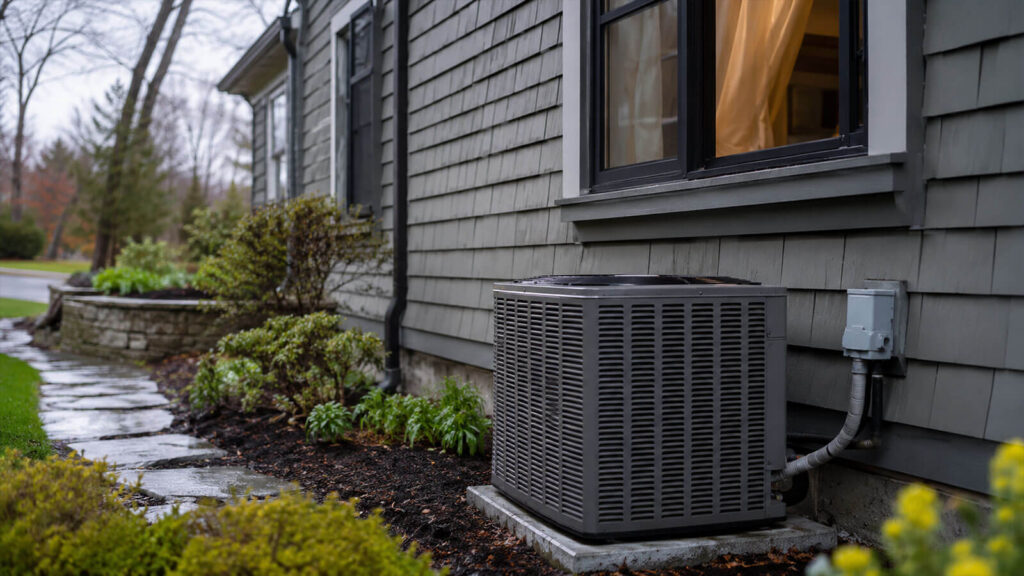
That Musty AC Smell After Winter Usually Means More Than “Dust”
The first time the cooling system kicks on after a long Hudson Valley winter, a stale, damp smell can hit the house almost immediately. A lot of homeowners assume it’s harmless. Sometimes it is. More often, though, that odor is the system telling you something about moisture, drainage, or neglected maintenance that will matter a lot more once the real heat arrives.
What makes this tricky is that the smell itself is rarely the whole problem. Contractors usually start by looking for what created the smell in the first place: a clogged condensate drain, dirty coil, wet filter, microbial buildup inside the air handler, or even moisture sitting in ductwork. If the home has been closed up for months, especially in an older house with a damp basement or crawlspace, the issue can be more complicated than a simple filter change. If you’re already comparing service options, it helps to start with experienced local HVAC contractors who understand how seasonal startup issues tend to show up in this region.
And there’s a counterintuitive part that catches people off guard: the strongest smell is not always coming from the AC equipment itself. Sometimes the unit is just moving an odor that originated elsewhere, like a damp return plenum, an insulated duct run with hidden condensation, or a basement humidity problem that gets pulled through the system when the fan starts.
Why Musty AC Odors Show Up So Often in the Hudson Valley
The Hudson Valley gives cooling systems a rough transition from one season to the next. Winter leaves homes closed up, basements damp, and HVAC components sitting idle. Then spring brings temperature swings, heavy rain, and humidity that can expose every weak spot in the system at once. In Dutchess, Putnam, and Westchester homes alike, that means the first startup can reveal problems that were quietly developing for months.
Older homes are especially prone to this. Stone foundations, aging insulation, and less-than-perfect air sealing create the kind of environment where moisture lingers. Add mature trees, shaded lots, and drainage that slopes toward the house, and it becomes very easy for the basement air to stay damp even when the weather feels mild outside.
That’s why a musty AC smell is often less about “the smell” and more about humidity control, drainage, and airflow. A system can run mechanically fine and still be producing bad indoor air because the condensate isn’t draining properly or the duct system has been absorbing moisture all winter.
What Contractors Usually Check First
Experienced techs typically don’t start by replacing parts at random. They look for the simplest failure points first, because that’s usually where the answer is hiding.
- Air filter condition: A loaded filter can trap moisture and restrict airflow, especially after winter storage.
- Condensate drain line: Clogs here are a classic source of odor, overflow, and water damage around the air handler.
- Evaporator coil: Dust and biological growth on the coil can create a sour or musty smell when the system starts up.
- Drain pan: Standing water in the pan points to a drainage problem, not just a dirty system.
- Duct insulation and return paths: Wet or deteriorated insulation can hold odor long after the original moisture event is gone.
Sometimes the inspection goes further. A tech may check whether the blower compartment has accumulated debris, whether the outdoor unit survived winter damage, or whether the system is short-cycling in a way that prevents proper dehumidification. For homeowners in Putnam County, where many houses have partial basements or addition-on-older-system setups, the source can be spread across multiple parts of the house. If the issue seems broader than a one-off service visit, Putnam County HVAC services can be a useful next step for figuring out whether the smell is isolated or part of a larger maintenance problem.
The Mistake Homeowners Make: Treating the Odor Instead of the Cause
Air fresheners, scented filters, and disinfectant sprays are some of the least useful responses to a musty AC smell. They may make the house smell different for a few hours, but they don’t fix standing water, restricted airflow, or microbial growth. In some cases, they make diagnosis harder because they mask the evidence contractors would normally use to trace the source.
Another common mistake is replacing the thermostat, blaming the refrigerant, or assuming the whole system is failing. Those are expensive guesses. A musty smell is usually a moisture story first, and a mechanical story second. That’s why the timing matters: if the odor appears only during startup after a long shutdown, the system may simply need cleaning, drainage correction, and a basic service check before summer.
Homeowners also underestimate how quickly a minor drainage issue can escalate. A small clog in the condensate line can lead to overflow, water staining, and rust around the air handler. If the system is in a basement or utility closet, that can mean damaged flooring, swollen framing, or odors that migrate into the living space. Delaying the repair is often what turns a manageable service call into a bigger indoor air and moisture problem.
When the Smell Is a Warning Sign, Not Just an Annoyance
Not every odor means emergency repair, but some patterns deserve quicker attention. A persistent musty smell, visible water near the unit, weak airflow, or a system that runs but never seems to dry the air properly are all signs the issue is deeper than a dusty filter. If the odor gets worse when the fan runs continuously, that can point to contaminated ductwork or a moisture problem inside the air handler.
Pay attention to what changes with weather. If the smell is strongest after a rainy stretch, the system may be dealing with basement humidity or drainage runoff near the foundation. If it shows up after a cold night followed by a warm day, condensation may be forming where insulation is failing or air is leaking into the wrong spaces. That kind of pattern matters because it helps separate a one-time odor from an ongoing water-management problem.
In Westchester County, where older homes and renovated additions often share mixed HVAC setups, the source can be especially misleading. A homeowner may think the unit upstairs is the problem when the real issue is a damp return in the lower level or a humid utility room feeding the system. That’s one reason Westchester County cooling system help is often about diagnosis as much as repair.
Why Summer Startup Problems and Musty Smells Often Travel Together
A musty odor during spring startup often shows up alongside other startup issues: weak airflow, dirty filters, a sluggish condensate drain, or a system that takes too long to cool the house. Those symptoms are connected more often than homeowners realize. When airflow is restricted or moisture isn’t being removed properly, the system can smell bad and perform poorly at the same time.
That’s why it helps to think in terms of seasonal readiness, not just odor removal. A system that hasn’t been checked since the previous cooling season may need more than a quick inspection. Households that depend on central air through Hudson Valley humidity often benefit from a broader tune-up, especially before the first sustained warm stretch. If you want a practical checklist beyond the odor itself, our guide to summer HVAC maintenance covers the sort of preparation that prevents a small problem from becoming a midsummer service call.
And if the smell is part of a longer list of startup annoyances, it may be worth reviewing common AC startup problems after winter as well. Odor, airflow issues, and condensate trouble often show up together because they all point to a system that spent too long sitting idle without proper seasonal service.
What Usually Makes the Problem Worse
There are a few repair shortcuts that sound reasonable but tend to fail quickly.
- Skipping drain cleaning: If the condensate line is the root cause, ignoring it just guarantees a repeat odor.
- Changing only the filter: Helpful, but not enough if moisture has already accumulated inside the system.
- Using harsh cleaners inside accessible components: Some products leave residue or damage sensitive parts if used carelessly.
- Covering the smell with fragrance: This delays diagnosis and can make the house less comfortable without solving anything.
The deeper issue is that many homeowners want the smell gone fast, while the system usually needs to be made dry, clean, and properly draining again. Those are not the same thing. Cheap fixes often fail because they treat a symptom, not the environment that created it.
When DIY Makes Sense, and When It Doesn’t
Changing a filter is fine. Vacuuming around the return grille is fine. Making sure furniture isn’t blocking airflow is fine. But once the job involves coil cleaning, drain line troubleshooting, blower access, or anything involving electrical components, the risk goes up quickly. HVAC equipment is one of those systems where a small misstep can create a bigger headache, especially if water or mold is involved.
DIY also becomes less sensible when the home has an older layout or multiple add-ons. A simple-looking odor may involve a basement air handler, detached duct run, or a return path that was modified years ago. Those situations are hard to diagnose by guesswork. A competent inspection usually saves money because it identifies the real source before parts get replaced unnecessarily.
If the smell has returned more than once, if you notice rust, or if there’s evidence of standing water, that’s the point where a professional assessment is usually the smarter move. The goal isn’t just to get through this week. It’s to avoid repeating the same repair every spring.
How to Think About the Repair From a Homeowner’s Perspective
The best way to handle a musty AC smell is to treat it as a maintenance clue. It may turn out to be minor. It may turn out to be a clogged drain and a dirty coil. But it should not be treated as normal, especially if it happens every year. Recurring odors usually mean something in the system or the house is allowing moisture to stay where it shouldn’t.
That matters for resale value too. Buyers notice the signs of moisture problems quickly, even when they can’t identify the exact cause. A home that smells damp at startup or has a history of repeated HVAC odor issues tends to raise questions about basement humidity, duct condition, and overall care. In an older Hudson Valley house, those questions can affect confidence just as much as the repair itself.
So the smartest approach is simple: identify the source, fix the drainage or moisture issue, and make sure the system is actually ready for the cooling season. That’s the difference between a temporary odor and a house that stays comfortable all summer.
Frequently Asked Questions
Why does my AC smell musty only when I first turn it on?
That usually means moisture has been sitting in the system during the off-season. The smell often comes from the coil, drain pan, ductwork, or damp basement air being pulled through the system at startup.
Is a musty AC smell always a mold problem?
Not always, but moisture is almost always part of the story. It could be dust, mildew, standing water, or microbial growth in a damp component. The key is finding where the moisture is collecting.
Can I just replace the filter and be done?
Sometimes a new filter helps, but it won’t solve a clogged drain, wet coil, or damp duct insulation. If the smell returns, the filter was probably not the real issue.
What if the smell gets worse when the fan runs?
That often points to contaminated ductwork, a dirty blower compartment, or air moving through a damp space. It’s a useful clue because it suggests the problem may be in the airflow path, not just the unit itself.
How often should the system be checked before summer?
Once a year is a sensible baseline for most homes, especially if the system sat unused through winter. Homes with higher humidity, older equipment, or basement installations may benefit from more attention.
When should I stop troubleshooting and call a pro?
If there’s standing water, repeated odor, weak cooling, visible rust, or the smell keeps coming back after basic maintenance, it’s time for a professional inspection. That usually costs less than waiting for a bigger moisture problem.
If your AC smells off after winter, the safest move is to get it checked before the first real heat wave exposes a larger issue. A good local HVAC pro can tell the difference between a simple startup clean-up and a moisture problem that needs real correction, which is exactly the kind of judgment that protects the home and keeps repair costs from creeping up.