

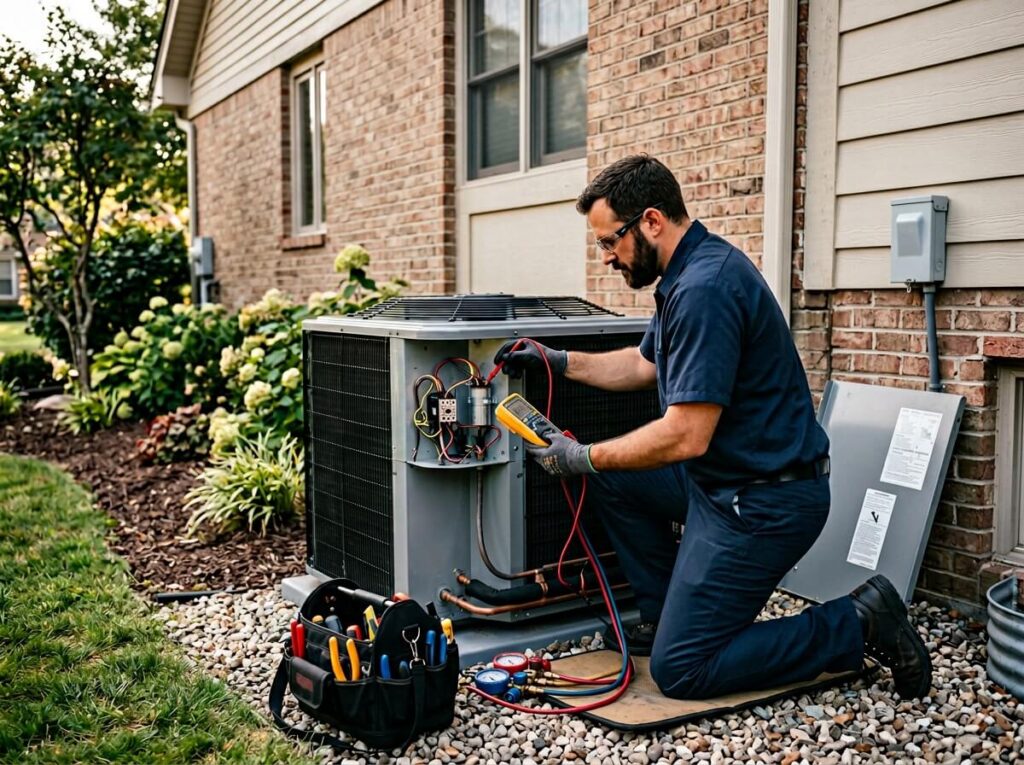
By the time late spring settles over the Hudson Valley, most homeowners are already thinking about patios, open windows, and the first real stretch of hot weather. That is the moment to get ahead of your cooling system. A little summer HVAC preparation Hudson Valley homeowners can handle now can prevent a sticky, expensive breakdown in July or August, when service calls are slower to schedule and indoor temperatures climb fast.
Across Dutchess County, Putnam County, and Westchester County, homes face a mix of challenges that can wear on HVAC systems: older insulation in historic houses, shaded lots with heavy pollen, finished attics that trap heat, and humidity that hangs in the air after a stretch of rain. A system that seemed fine in April can struggle once the first real heat wave arrives. The good news is that a few practical checks can make a big difference.
Below is a homeowner-focused guide to preparing your HVAC system before summer heat hits the Hudson Valley, with a focus on cost-conscious steps, comfort, and the signs that it is time to bring in a local pro.
Why summer HVAC preparation matters in the Hudson Valley
Hudson Valley weather can swing quickly from cool nights to muggy afternoons. That wide temperature range means your system may sit idle for weeks and then suddenly be asked to run hard for long stretches. If filters are clogged, airflow is weak, or a component is already worn, summer exposes the problem fast.
Homes in the region also vary widely. You will find older colonials in Dutchess County, capes and ranches in Putnam County, and a mix of mid-century homes and denser suburban properties in Westchester County. Many of these houses were built before central air was standard, so cooling systems often depend on add-ons, duct retrofits, or tightly scheduled maintenance to stay efficient.
Why homeowners should care now:
- Cooling repairs are usually more expensive during peak season.
- Small airflow issues can drive up electric bills quickly.
- Poor maintenance can shorten equipment life.
- Humidity control affects comfort as much as temperature does.
- Waiting until the first heat wave can leave you without quick appointment options.
Start with the simplest check: your air filter
Changing the air filter is the fastest, least expensive step you can take. It also has one of the biggest effects on performance. A dirty filter restricts airflow, makes the system work harder, and can contribute to frozen coils and uneven cooling.
How often should you replace it?
For many homes, every 1 to 3 months is a good rule. If you have pets, live near a busy road, run the system often, or deal with spring pollen in places like the lower Hudson Valley, you may need to check it more frequently.
Quick tip: Hold the filter up to light. If you can barely see through it, it is probably time to change it.
This one task is especially worthwhile before the first hot stretch of summer. It helps your system breathe easier and can reduce strain on the blower motor.
Clear the outdoor condenser unit
Your outdoor AC unit needs room to release heat. If it is surrounded by grass clippings, leaves, mulch, or overgrown plants, performance drops. In the Hudson Valley, spring growth can crowd the unit surprisingly fast.
What to do
- Turn off power to the system before cleaning around the unit.
- Remove leaves, twigs, and debris from the base and sides.
- Trim back shrubs and plant growth so the unit has breathing room.
- Keep at least 2 to 3 feet of clear space around it.
- Rinse the exterior coils gently if they are visibly dirty, but avoid high pressure.
Do not bend the fins or use a pressure washer. That can cause damage and reduce efficiency. If the coil is packed with dirt or the unit looks compromised, it is better to have a technician clean it professionally.
Check your thermostat before the first heat wave
A thermostat that is off by even a few degrees can make a system cycle too often or not enough. Before summer starts, test the settings and make sure the system responds correctly.
What homeowners should look for
- Set the thermostat to cool and confirm the system starts.
- Compare the displayed temperature to a separate room thermometer.
- Replace batteries if the unit uses them.
- Consider upgrading to a programmable or smart thermostat if yours is outdated.
In a region where daytime heat and evening cool-downs can vary significantly, a programmable thermostat can help manage comfort without wasting energy. It is especially helpful for homeowners who leave for work during the day or spend weekends away.
Inspect vents, registers, and return air grilles
Blocked vents are a common reason rooms feel too warm or unevenly cooled. In older Hudson Valley homes, furniture placement, rugs, or years of remodeling can accidentally block airflow.
What to check:
- Make sure supply vents are open and unobstructed.
- Keep return grilles free of dust and furniture.
- Vacuum visible dust from vent covers.
- Look for rooms that feel weaker or warmer than the rest of the house.
If one room consistently feels hotter than the others, the issue may be duct-related, insulation-related, or tied to system sizing. That is not always a DIY fix, but noticing the pattern early gives you time to address it before peak summer demand.
Look for signs of airflow problems
Airflow tells you a lot about the health of the system. If air coming from vents feels weak, the system may be struggling with a dirty filter, clogged coil, duct leakage, blower issues, or a failing capacitor.
Homeowners often notice airflow problems in bedrooms over garages, top-floor spaces, or additions that were built years after the original house. In Westchester County and parts of Dutchess County, those rooms can become especially uncomfortable during humid stretches if airflow is not balanced properly.
Watch for these warning signs
- Weak air from vents
- Uneven temperatures from room to room
- The system runs longer than usual
- Warm air comes out intermittently
- Strange rattling or humming noises
If you notice any of these, take note before summer gets hot. A small repair in May can be a much easier fix than a full-system scramble in July.
Clean around indoor equipment and keep the area accessible
Your indoor air handler, furnace cabinet, or utility closet needs clear access for service and safe operation. Homeowners often stack storage boxes, holiday decorations, or cleaning supplies around the equipment area, especially in basements and mechanical rooms common throughout the Hudson Valley.
Before summer starts:
- Clear at least a few feet around the equipment.
- Remove stored items that could block service access.
- Check for signs of moisture, rust, or corrosion.
- Keep flammable items away from the unit.
This is also a good time to look for signs of water near the system. A clogged condensate drain can cause leaks, musty smells, or even ceiling damage if the unit is in an attic or closet. Catching that early can save money and stress.
Give special attention to humidity control
Summer comfort in the Hudson Valley is not just about temperature. Humidity can make a 78-degree room feel much warmer. If your system is not dehumidifying well, the house may feel damp or clammy even if the thermostat seems set correctly.
Older homes, homes with limited insulation, and houses with leaky ductwork often struggle more with humidity. The same is true for shaded properties near water or wooded areas, where the air can stay heavy after rain.
How to improve humidity control
- Replace dirty filters to improve air movement across the coil.
- Keep windows closed when the AC is running.
- Use bathroom and kitchen exhaust fans to remove moisture.
- Make sure your system is sized correctly for the home.
- Ask about whole-home dehumidification if humidity stays high.
If you are noticing sticky indoor air, condensation on windows, or a musty smell, that is worth addressing before the hottest part of the season.
Check the insulation and air sealing around problem rooms
Cooling systems often get blamed for discomfort that is actually caused by air leakage or poor insulation. In many Hudson Valley homes, the issue shows up in upstairs bedrooms, finished attics, sunrooms, and rooms with older windows.
You do not need a full energy audit to spot obvious trouble. Look for:
- Warm air coming in around windows or door frames
- Attic access points that feel hot to the touch
- Drafty basement or crawl space areas
- Visible gaps around penetrations for pipes or wiring
Sealing air leaks and improving insulation can reduce the strain on your HVAC system and keep summer bills from climbing. If you are trying to stretch a limited budget, this is one of the best places to focus before replacing larger equipment.
Test the system before the first really hot day
Do not wait for a 90-degree day to discover your AC is not working properly. Run the system on a mild day in late spring and let it operate long enough to check the full cycle.
During the test, pay attention to:
- How quickly the system starts
- Whether cool air reaches all major rooms
- Any unusual smells, sounds, or vibrations
- Whether the indoor temperature drops steadily
- Whether the outdoor unit runs smoothly
If something seems off, you still have time to schedule service before the summer rush. That can make a big difference in cost, convenience, and comfort.
Consider a professional tune-up before peak season
A homeowner can handle basic prep, but a professional maintenance visit goes deeper. A qualified HVAC technician can check refrigerant levels, inspect electrical connections, clean coils, test capacitors, evaluate airflow, and look for worn parts that are hard to spot without training.
For homeowners across Dutchess, Putnam, and Westchester counties, a tune-up can be especially worthwhile if:
- Your system is older than 10 years
- You had a repair last summer
- Some rooms cool poorly
- The AC has not been serviced in more than a year
- You want to reduce the chance of a mid-summer breakdown
Think of it as a spring health check for the system. It is often cheaper than waiting for a failure on the hottest weekend of the year.
What homeowners can do themselves versus what should be left to a pro
Some maintenance is easy and safe for homeowners. Other tasks involve electrical components, refrigerant, or mechanical parts that should stay in professional hands.
Good DIY tasks
- Replace the air filter
- Clear debris around the outdoor unit
- Vacuum vent covers
- Check thermostat operation
- Clear clutter from equipment areas
Leave to a licensed HVAC contractor
- Refrigerant diagnosis or charging
- Electrical repairs
- Blower motor issues
- Compressor problems
- Condensate drain repairs if access is limited or leaks are persistent
Trying to repair sealed-system or electrical issues without the right tools can create a safety risk and make the final repair more expensive.
How to save money while preparing your HVAC system
Summer prep does not need to be expensive. In fact, the most budget-friendly steps are often the most effective.
Smart ways to keep costs down:
- Buy filters in multipacks so replacements are easy.
- Handle simple cleaning tasks yourself before calling for service.
- Schedule maintenance before the first heat wave.
- Use ceiling fans to help circulate air.
- Close blinds during the hottest part of the day.
- Seal small drafts around windows and doors.
These small habits can lower strain on your system and reduce monthly energy use without requiring a major upgrade.
Local factors that affect cooling in the Hudson Valley
The Hudson Valley is not a one-size-fits-all climate zone. Summer prep looks a little different depending on where you live and what your house is like.
In Dutchess County, many homeowners deal with larger properties, older homes, and more tree cover. That can mean extra pollen on outdoor units and cooling loads that vary based on shade and sun exposure.
In Putnam County, smaller lots, older housing stock, and a mix of central air and ductless systems often make maintenance and airflow checks a priority. Finished lower levels and additions may also cool differently than the rest of the house.
In Westchester County, denser neighborhoods and a wider range of home ages can create mixed HVAC needs. Some homes have newer systems, while others still rely on older equipment, retrofit ducting, or separate cooling zones. Humidity and attic heat can be real comfort issues in summer.
All three counties see periods of strong sun, muggy air, and quick temperature jumps. That is why early prep pays off here more than homeowners might expect.
When to call a local pro
Call a local HVAC contractor if you notice anything that suggests the system is not running normally. The sooner you do it, the better your odds of avoiding a bigger repair.
Schedule service if you notice:
- Warm air from vents when the system is set to cool
- Ice on the refrigerant lines or indoor coil
- Repeated breaker trips
- Odd noises such as grinding, buzzing, or clicking
- Water leaking around the unit
- Strong odors from the vents
- Rooms that never seem to cool properly
- Higher-than-normal electric bills without a clear reason
If your system is older, a pro can also tell you whether a repair makes sense or whether it is time to start planning for replacement. That conversation is much easier to have before the hottest weeks of the year.
HV Trades takeaway
Summer HVAC preparation Hudson Valley homeowners can do before the heat really sets in is mostly about staying ahead of preventable problems. Start with the basics: replace the filter, clear the outdoor unit, test the thermostat, and make sure air can move freely through the house. If you notice weak airflow, humidity issues, odd noises, or uneven cooling, do not wait for a full breakdown.
Homes in Dutchess County, Putnam County, and Westchester County face a mix of weather, house styles, and cooling demands that make early maintenance worthwhile. A little attention now can help your system run more efficiently, keep indoor spaces more comfortable, and reduce the odds of an expensive midsummer emergency.
FAQ
How early should I prepare my HVAC system for summer?
Late spring is the best time. That gives you a chance to replace filters, test the system, and schedule service before the busiest part of the season begins.
What is the easiest HVAC maintenance task I can do myself?
Changing the air filter is usually the easiest and most effective task. It improves airflow and helps the system run more smoothly.
How often should an HVAC system be serviced?
Most systems should be checked once a year, ideally before the cooling season starts. Older systems or units that had problems last summer may need more attention.
Why does my house feel humid even when the AC is running?
That can happen if the system is not dehumidifying properly, if airflow is restricted, or if the house has air leaks or insulation gaps. A pro can help track down the cause.
Is it worth calling a technician if the AC still works?
Yes, if you notice weak airflow, uneven cooling, strange sounds, or rising energy bills. Small issues often show up before a major failure, and early service can save money.
Need Help With a Home Project?
HV Trades connects homeowners across Dutchess, Putnam, and Westchester Counties with trusted local contractors.