

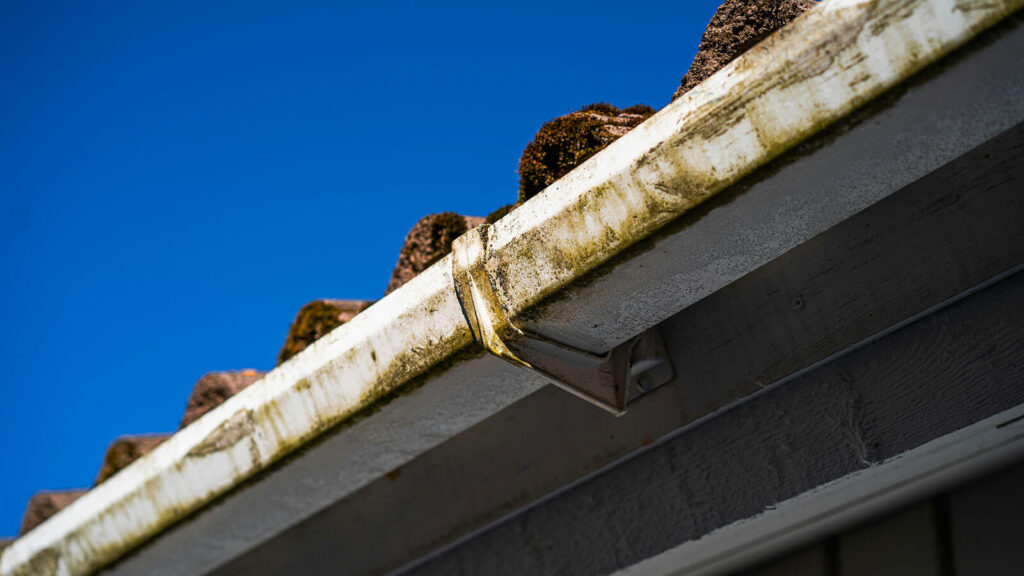
Winter gutters can survive a lot in the Hudson Valley, but they rarely come through a rough season untouched. Ice, snow load, fast freeze-thaw swings, and heavy spring rain tend to expose the weak spots all at once. What looks like a small sag or a little overflow at the edge of the roof can turn into fascia damage, basement moisture, or a frustrating cycle of patching the same problem every year.
That’s why the repair-versus-replace decision matters. A gutter system does not have to be perfect to keep working, but once the problems start spreading, repairs can become false economy. The trick is knowing when a contractor can fix a specific section and when the system itself is past the point of practical repair. If you want a broader look at what quality gutter work should include, it helps to start with professional gutter services so you understand the difference between a quick patch and a real solution.
What winter usually does to gutters
Most homeowners notice the damage only after the thaw. The gutters may pull away from the house a little, leak at the seams, or overflow during a steady rain. In older homes, especially those with long runs of gutters, the winter stress can reveal problems that were already building for years.
Common winter-related issues include:
- Separated seams where expansion and contraction have weakened the joints
- Sagging sections caused by snow and ice load
- Loose fasteners that no longer hold the gutter tight to the fascia
- Rust, pinholes, or corrosion in older metal systems
- Ice-damage dents or bends that change the pitch
- Downspouts that loosened or shifted during freeze-thaw movement
In the Hudson Valley, mature trees and older roofs make the situation more complicated. Gutters that collect leaves all fall are more likely to hold water when temperatures dip, and standing water becomes ice faster than people expect. Once a gutter starts freezing solid, the weight can distort the entire run, not just the one section that visibly failed.
When repair still makes sense
Repair is usually the right call when the gutter system is mostly sound and the damage is limited to one or two specific issues. A contractor can often resecure a section, replace a short damaged length, reseal leaking seams, correct pitch, or swap out a broken downspout without touching the whole system.
This is the point where a good inspection matters more than the homeowner’s first impression. A gutter might look “bad” from the ground simply because one hanger failed and the rest of the line shifted. On the other hand, a small visible leak can be the sign that water has been sitting in the system long enough to rot the fascia behind it.
Repair tends to be a reasonable option when:
- The gutter is relatively new
- Damage is isolated to one area
- The metal is still in good condition
- The slope can be corrected without replacing long sections
- The fascia and soffits are still solid
Homeowners in counties with a mix of older colonials, capes, and farmhouses often run into another issue: the gutters were installed correctly at one point, but the house has settled over time. That can create drainage problems even when the gutter material itself is still usable. In places where people are comparing options and local crews, it’s smart to look at county-specific resources like gutter help in Putnam County when they need a practical read on whether a repair is worth pursuing.
Signs replacement may be the smarter move
Replacement becomes the better choice when the gutter system is failing in multiple places or the repairs are only buying a little time. That usually means the problem is no longer just a maintenance issue. It has become a system issue.
Contractors often recommend replacement when they see repeated seam failures, widespread rust, major sagging, or gutters that were patched so many times they’re no longer holding pitch. If the fascia is soft, the mounting points are failing, or water has already worked into the roof edge, replacement can save more money in the long run than trying to nurse the old system along.
A few warning signs point strongly toward replacement:
- Multiple leaks across several sections
- Visible rust-through or cracks in older metal gutters
- Sections pulling away from the house even after refastening
- Overflow that continues after cleaning
- Water staining on siding, soffits, or trim
- Fascia board deterioration behind the gutter
When the gutter itself is old enough that matching materials is difficult, or when the style no longer fits the roofline well, replacement also gives the homeowner a chance to correct the original design. That can mean improving downspout placement, changing the gutter size, or fixing drainage direction so water does not dump right next to the foundation.
What contractors inspect first
A careful gutter contractor usually does not start with the obvious leak. They start with the reasons the leak is happening. That is where the real value is.
First, they will check the pitch. Gutters need a slight slope so water moves toward the downspouts, but not so much slope that the system looks crooked or drains unevenly. Then they look at the hangers, fasteners, seam condition, fascia board, and how the downspouts discharge. If the home has a basement or crawlspace, they may also ask whether water has been showing up after storms or snowmelt.
On Hudson Valley homes, the inspection often includes a look at roof edge details too. Drip edge, flashing, and shingle overhang affect how water enters the gutter. If those pieces are wrong, even a brand-new gutter system can still perform poorly.
That is also why gutter problems sometimes connect to bigger drainage issues. Water that overshoots the gutter or spills from a low point near the foundation can create grading problems, pooling, and damp basement walls. If that sounds familiar, it may be worth reviewing spring drainage problems around the home before the next storm makes things worse.
The mistakes homeowners make most often
The most common mistake is assuming every gutter leak can be sealed with caulk. Caulk has a place, but it is not a cure for poor pitch, failed seams, or rotten backing. Another common mistake is cleaning gutters and stopping there, even when the real issue is that the system is too small, too old, or too damaged to drain properly.
Homeowners also get caught trying to patch gutters from a ladder without seeing the broader problem. It is easy to replace one hanger and miss the fact that the whole run is out of alignment. It is easy to reseal one corner and miss the soft fascia behind it. And once a gutter has been bent by ice or snow, the line may never drain correctly again no matter how many small fixes are made.
There is also a timing mistake. Waiting until the first heavy rain after winter is often when a small problem becomes a much bigger one. Once water is already overshooting the gutter, splashing against siding, or dripping behind the system, repairs tend to get more expensive.
Repair, replace, or improve the whole system?
The best decision is not always repair versus replacement. Sometimes the real answer is replacement with a few improvements built in. That is especially true on homes with oversized roof sections, lots of tree cover, or gutters that were never designed for the amount of runoff they are handling now.
If a contractor is already replacing a large portion of the system, it may be worth upgrading the gutter size, adding another downspout, improving splash blocks or extensions, or correcting a trouble spot at a valley discharge. Those changes can make a big difference in how the home handles water during spring storms and summer downpours.
Homeowners who want local help deciding whether a repair is enough can also compare county-level service options such as Westchester County gutter repair support or Dutchess County gutter service contractors when the problem involves older roofs, mature trees, or repeated storm damage.
Why small gutter issues can get expensive quickly
Gutters are one of those systems that rarely fail in a dramatic way. They usually fail by getting slightly worse in the places you do not see. Water keeps moving behind the scenes, and the damage shows up later in trim rot, peeling paint, damp basement walls, or erosion near the foundation.
That is why a homeowner should pay attention to more than just the gutter itself. If the soffit is stained, the fascia is soft, or the grade near the home is already holding water, the problem is no longer just a gutter issue. It has become part of a wider moisture-management problem.
In that situation, a good contractor will think about how the entire drainage path works, from roof runoff to downspout discharge to the way water moves away from the house. That broader view is what helps prevent repeated repairs.
What to do after winter if you are unsure
If you are not sure whether the gutters need repair or replacement, start with a close visual check from the ground. Look for sagging sections, overflow marks, visible gaps, and water stains on trim or siding. After that, inspect the basement or crawlspace for signs of moisture after the next rain. The pattern of damage often tells the story.
Once the weather is stable enough to work safely, schedule an inspection before the next heavy rain cycle. A contractor can usually tell fairly quickly whether the system needs a few targeted repairs or whether the homeowner would be better off investing in a full replacement. For anyone who wants a straightforward path to trusted local contractor help, that early conversation can prevent a lot of unnecessary spending later.
Frequently Asked Questions
How do I know if my gutters just need cleaning or something more?
If cleaning helps for a week or two and then overflow returns, the issue is probably more than debris. Pitch problems, seam failure, or clogged downspouts may be involved.
Is it worth repairing old gutters?
Sometimes, yes. If the damage is isolated and the gutter material is still in good shape, repair can be the sensible choice. Once rust, sagging, or repeated leaks spread across the system, replacement usually makes more sense.
Can damaged gutters affect my foundation?
Absolutely. When gutters overflow or dump water too close to the house, that water can collect near the foundation, seep into basements, or worsen drainage problems around the home.
What is the most common winter gutter damage?
Ice load and freeze-thaw movement are the big ones. They can loosen fasteners, bend sections, split seams, and stress the fascia behind the gutter.
Should I replace gutters before the next rainy season?
If they are showing repeated leaks, sagging, or rust, it is usually smarter to address the problem before spring storms arrive. Waiting often means paying for both gutter work and water damage repairs later.
Do I need new gutters if only one section is failing?
Not always. A good contractor will look at the age of the whole system, the condition of the fascia, and whether the rest of the gutter line is still draining properly before recommending a full replacement.
When gutters start failing after winter, the safest move is usually to get a real opinion before the next storm exposes the problem further. A careful contractor can help you decide whether a focused repair will hold up or whether replacement will protect the house better over the long term.