

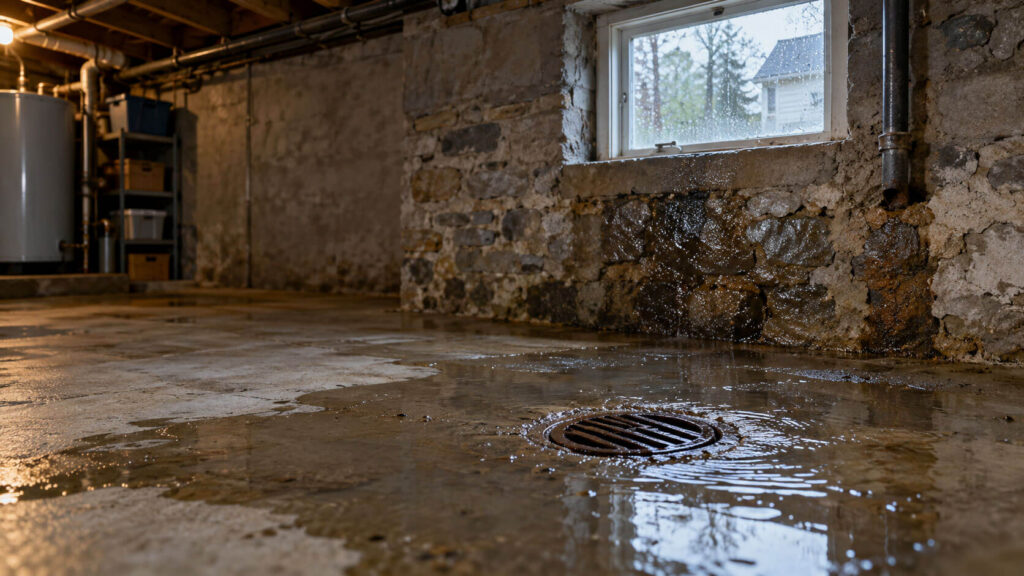
Why Your Basement Drain Keeps Backing Up — and What Hudson Valley Homeowners Usually Miss
A basement drain that keeps backing up is one of those problems that starts small and then becomes a weekend-wrecking, wallet-draining headache. The first few times, it may seem like a temporary clog. Then the water comes back after heavy rain, or laundry day, or a thaw. That’s usually when homeowners realize the issue is not just the drain itself.
In older Hudson Valley homes, recurring drain backups often trace back to a mix of plumbing age, outside drainage, and basement moisture pressure. A simple snaking job may buy time, but if the same drain keeps failing, there is usually a reason hiding upstream — and it is not always where people expect it to be. That is where experience matters, and why a broader look at homeowner resources for maintenance and repairs can help before a small issue turns into a repeat emergency.
Why a drain backs up more than once
The most common mistake is assuming the drain is “just clogged again.” Sometimes it is. But when a basement floor drain or laundry drain backs up repeatedly, contractors usually start looking for patterns:
Does it happen after heavy rain? During snowmelt? When the washing machine runs? After a long dry spell followed by a storm? Those details matter because they point to different causes. A storm-related backup often suggests a drainage, sewer, or foundation-water issue. A backup that happens during laundry use may point to a partial blockage, a failing trap, or a line that is too narrow for the amount of discharge it handles.
In older homes, especially those with stone foundations, older sewer lines, or long underground runs, the problem can be a combination of pipe slope, root intrusion, and outside water pressure. The drain may not be failing on its own. It may be receiving more water than the system can move away fast enough.
What contractors usually inspect first
When a drain keeps backing up, a good plumber or drain specialist typically looks beyond the obvious fixture first. That is the practical difference between a quick fix and a real diagnosis.
First, they’ll want to know whether the issue is isolated to one drain or happening at multiple low points. If more than one fixture is affected — basement drain, utility sink, laundry standpipe, maybe even a toilet or shower — the problem may be in the main line or further downstream.
Next comes the backup pattern. If water rises during a storm, the inspection often shifts toward the sewer connection, sump system, or exterior grading. If the line gurgles before backing up, there may be venting issues or a partial obstruction. If the drain clears temporarily and then fails again, that often points to an incomplete cleaning rather than a one-time clog removal.
That is why it’s worth understanding how much drain cleaning costs in Dutchess County before assuming the cheapest service call will solve the problem. A basic cleaning can be the right fix — but if the same line keeps clogging, the real cost is often in the repeat visits and the damage that follows.
The hidden causes homeowners overlook
One counterintuitive thing contractors see all the time: the water in the basement may not be coming from the drain at all. A lot of homeowners blame the floor drain because that is where the water ends up. But the real problem may be seepage around the foundation, a failed exterior downspout extension, or runoff pooling near the house and finding the path of least resistance inside.
That is especially common on properties with steep grading, mature trees, or older gutters that dump water too close to the foundation. Once the soil around the house stays saturated, hydrostatic pressure can push groundwater into the basement or into the drain system itself. In those cases, the drain is not the root cause — it is just the first place the problem shows up.
For homes with chronic moisture or recurring seepage, it may be worth looking at foundation and waterproofing contractors in Dutchess County before you keep paying to clear the same drain over and over. That is not overreacting. It is often the difference between a plumbing fix and a basement restoration job.
Why quick fixes often fail
Homeowners understandably want the least disruptive solution. But with recurring drain backups, the fastest fix is often the one that fails first. A quick snake can punch through a clog without removing buildup from the pipe walls. Drain cleaner can temporarily improve flow while damaging older piping. And if tree roots are involved, the line may open up briefly and then close again as debris catches on the rough interior of the pipe.
This is where older Hudson Valley homes can be tricky. Many have decades-old plumbing systems, mixed materials, and underground lines that have shifted over time. Add freeze/thaw cycles, settlement, and root growth, and the system can behave unpredictably. A drain that seems fine in summer may struggle in spring or after a cold snap because soil movement changes the line enough to expose an existing weakness.
Another common shortcut: waiting until the drain fully blocks before dealing with it. That usually makes the service more expensive, because now you are paying for emergency response, water cleanup, and possibly damage to finished storage areas, mechanical rooms, or appliances nearby.
When the problem is really drainage, not plumbing
If a basement drain backs up after rain, especially during heavy storms, the issue may be connected to how water is moving around the house. Gutters, downspouts, grading, and yard drainage all affect what happens at the foundation line. A home with good interior plumbing can still flood at the lowest point if stormwater is being pushed toward the house.
That is why exterior water management matters even when the backup appears to be “inside.” A bad downspout discharge can overload the soil near the foundation. A low spot in the yard can funnel runoff straight to the basement wall. And a clogged gutter system can send water over the edge, where it collects at the footing and finds its way in.
If that sounds familiar, it may be helpful to look at drainage fixes for basement water problems and compare the symptoms against what your home is actually doing during storms. In practice, the interior drain and the exterior runoff problem often feed each other.
What not to do before the next backup
The wrong DIY approach can make a repeat drain problem harder to diagnose. Pouring chemical cleaners down an older line is one of the more common mistakes, especially if the system includes cast iron, clay, or aging PVC transitions. Those products rarely solve a deeper blockage and can complicate later repairs.
It is also a bad idea to ignore early warning signs like slow drainage, gurgling, sewage odor, or standing water around the floor drain. Those are not “minor annoyances.” They are usually the system trying to tell you it is under strain.
If the issue seems tied to exterior water movement, check the obvious things first: downspouts, gutter flow, visible pooling, sump pump discharge, and whether the soil slopes away from the foundation. A homeowner can do that inspection without tearing anything apart. But once backups become repetitive, a proper diagnosis usually requires a professional look at the line itself.
What a real repair conversation should include
Before agreeing to a repair, homeowners should get clarity on what is actually being addressed. Is the plumber clearing a blockage, camera-inspecting the line, replacing a section of damaged pipe, or identifying a broader drainage issue? Those are not interchangeable services.
A camera inspection can be especially useful when a drain keeps recurring because it may reveal root intrusion, sagging pipe, offsets, debris buildup, or a collapsed section. That kind of information changes the conversation completely. A line that simply needs maintenance is a very different project from one with structural damage or poor pitch.
If the root cause involves the broader property, it may make sense to compare the plumbing work with Dutchess County gutter services or other exterior fixes so you are not solving half the problem and paying for it twice.
Homeowners in Dutchess, Putnam, and Westchester often have to think in systems rather than single repairs. A basement drain, a sump pit, a gutter line, and the soil around the foundation can all affect each other. Contractors who understand that connection tend to give better advice — and fewer expensive surprises.
How to judge whether the issue is getting worse
Some repeat backups are inconvenient. Others are warning signs that the line or the surrounding drainage is deteriorating.
Be more concerned if:
- the drain backs up more often after rain or snowmelt
- multiple low fixtures are affected
- the water has odor or visible sediment
- the line clears and then fails again within days or weeks
- you see dampness, staining, or efflorescence on basement walls nearby
- the backup is followed by pump cycling, sump overflow, or basement seepage
Those patterns usually mean the problem is not isolated. At that point, a homeowner is no longer just maintaining a drain — they are managing a broader water issue that could affect the basement, foundation, and mechanical systems if left alone.
Why timing matters more than most homeowners think
Drain backups are one of those repairs that get more expensive the longer they linger. Not because every delay turns into a disaster, but because water problems compound. Moisture can damage stored items, encourage mold, stain finished surfaces, and weaken materials around the affected area. Once that happens, the repair is no longer just about plumbing.
In older homes, waiting can also make diagnosis harder. A partially blocked line can become fully blocked. A wet basement can mask the original leak path. And a minor drainage issue can become a much larger waterproofing concern after enough storms.
That is why the most cost-effective approach is usually not the cheapest one. It is the one that identifies whether the backup is a simple line issue, a drainage problem, or a foundation-related water intrusion issue before the damage spreads.
Frequently Asked Questions
Why does my basement drain back up only when it rains?
That usually points to an outside water issue rather than a simple indoor clog. Heavy rain can overwhelm poor grading, clogged gutters, or a saturated foundation area, which then feeds water toward the drain or basement floor.
Can I just keep snaking the drain myself?
Sometimes, but recurring backups usually mean there is a bigger issue. Snaking can clear the symptom without fixing root intrusion, damaged pipe, or drainage pressure around the house.
Is a floor drain backup always a plumbing problem?
No. In older homes, it can also be tied to foundation seepage, stormwater runoff, sump discharge problems, or soil saturation around the house.
What if the drain smells bad but isn’t fully blocked?
Odor is often an early warning sign of buildup, venting issues, or stagnant water in the line. It is worth checking before the drain slows down completely.
Should I get a camera inspection if the problem keeps coming back?
Yes, especially if the same drain has failed more than once. A camera can show whether the line has roots, offsets, cracks, or sagging sections that a basic cleaning will not solve.
Who should I call first for a recurring basement drain backup?
Start with a contractor who can assess whether the issue is isolated plumbing or part of a broader drainage or foundation problem. In some cases, that means coordinating with local professionals who understand both interior and exterior water issues.
If your basement drain keeps backing up, the smartest next step is not guessing. It is getting a clear diagnosis from trusted contractors in Dutchess County who understand how plumbing, drainage, and foundation conditions can intersect in Hudson Valley homes. A little investigation now can save a lot of cleanup later.
