

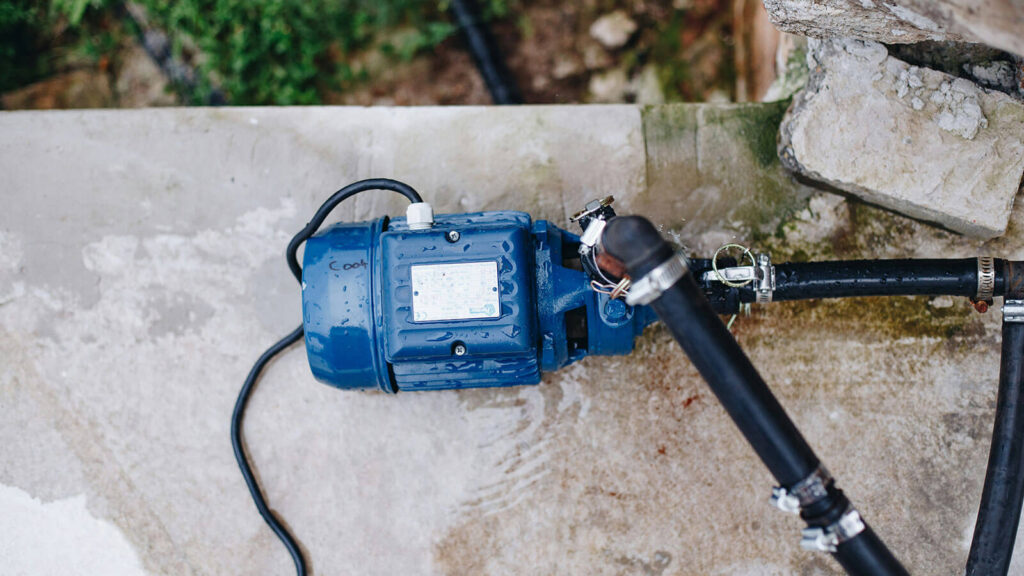
How to Tell If Your Sump Pump Is Ready for Spring Rains in Putnam County
When the first hard rain hits after a long Hudson Valley winter, a lot of basement problems show up all at once. Sometimes it’s a little dampness along the floor. Sometimes it’s a pump that hums but doesn’t move water. And sometimes it’s the unpleasant surprise of a sump pit that’s already half full before the storm has even settled in. If your home depends on a sump pump, spring is the time to find out whether it’s actually ready.
That matters especially in older Putnam County homes, where stone foundations, aging drainage, and shifting soil can make water management more complicated than it looks from the outside. If you’re comparing options for Putnam County plumbing services, this is one of those maintenance issues worth addressing before the next heavy rain makes the decision for you.
Why spring is the season sump pumps get exposed
Winter can lull homeowners into thinking the system is fine because the basement stayed dry during the coldest months. But spring is different. Snowmelt, saturated ground, and longer rain events all put steady pressure on the drainage system. A sump pump that only has to run occasionally in January may suddenly be asked to work repeatedly in March and April.
Contractors see a familiar pattern: the pump isn’t always “broken” in the obvious sense. More often, it’s undersized, partially clogged, short-cycling, or struggling because the discharge line is partially frozen, blocked, or poorly routed. A pump can seem dependable right up until the week the water table rises.
What to check before the next heavy rain
A basic spring check doesn’t take long, but it should be done carefully. Start with the sump pit itself. If there’s silt, gravel, bits of debris, or mineral buildup at the bottom, the pump may be pulling in material that will wear out the impeller or clog the float switch. In homes with older drainage systems, that sediment buildup is often a clue that the system needs a closer look.
Next, lift the float manually if the model allows it. The pump should start promptly and shut off cleanly once the float drops. If it hesitates, sticks, or keeps running after the pit is empty, that’s not something to ignore. Problems like that often turn into burnout or backflow later.
It’s also smart to listen for changes in sound. A sump pump that suddenly sounds louder, rattlier, or more strained than usual may be dealing with a worn motor or a partial obstruction. That’s the kind of issue homeowners often notice just long enough to dismiss it, then regret it during the first real storm.
If the home has a battery backup, test that too. Power outages are not rare during spring storms, and a pump that works only when electricity is stable is not much comfort when the weather gets rough. For homes where backup power or wiring has become part of the discussion, Putnam County electrical services for backup power concerns can be part of a practical plan, especially if the system needs a dedicated outlet, GFCI attention, or battery backup support.
Warning signs homeowners should not brush off
Some sump pump warning signs are easy to spot once you know what to look for.
- Frequent cycling: If the pump kicks on and off constantly, the float may be too low, the pit may be too small, or the check valve may be failing.
- Visible rust or corrosion: This can point to age, moisture exposure, or parts that are nearing failure.
- Vibration or grinding noise: Often a sign of debris, a worn motor, or damage inside the pump housing.
- Water left behind after a cycle: The pump may be losing capacity or the discharge line may not be moving water away efficiently.
- Musty basement odors: Not proof of pump failure on their own, but often a sign of moisture that should be investigated before mold becomes part of the problem.
If your basement has already shown signs of seasonal moisture, it’s worth looking beyond the pump itself. Drainage around the foundation, grading, downspouts, and window wells all play into whether the sump pump has to work too hard. A good contractor usually thinks about the whole water path, not just the box in the pit.
What contractors usually inspect first
When a homeowner calls about a sump pump issue, experienced plumbers usually start with the simplest failure points first. They’ll check whether the pump has power, whether the float switch moves freely, and whether the check valve is installed correctly. From there, they’ll look at the discharge line to see whether it’s blocked, leaking, or sending water too close to the foundation.
They also pay attention to pump age. Many sump pumps have a practical service life of around 7 to 10 years, though real-world conditions can shorten that. A pump in a wet basement with a lot of spring runoff may wear out faster than one that runs only occasionally. If the home has older plumbing or a history of water intrusion, a contractor may also inspect nearby drainage components and recommend looking at plumbing contractors who handle sump pump issues before replacing parts piecemeal.
Another thing professionals notice quickly is whether the system was installed to match the home’s actual water load. A lot of homeowners assume “any pump is better than no pump,” but that’s not always true. An undersized pump can run constantly and still fail to keep up, while an oversized one may short-cycle and wear itself out early.
Common homeowner mistakes that lead to bigger repairs
One of the most common mistakes is waiting until the basement is wet to test the pump. By then, you’re no longer checking readiness—you’re troubleshooting under pressure. That’s when homeowners end up making rushed decisions, buying the wrong replacement, or overlooking a discharge issue that will cause the same problem again.
Another mistake is assuming the pump is the only issue. In many Hudson Valley homes, especially older properties with mature trees and uneven grading, water management is a system. Gutter overflow, clogged downspouts, poor slope, and saturated soil can all overwhelm a perfectly functional pump. In that sense, sump pump maintenance and gutter cleaning and inspection before heavy rain often belong in the same conversation.
Homeowners also sometimes ignore a pump that “still works” even though it sounds off. That can be expensive. Small problems—like a worn float switch or a failing check valve—tend to become middle-of-the-night emergencies once the rain comes down hard enough.
When DIY is reasonable, and when it gets risky
Homeowners can usually handle a visual inspection, a basic test cycle, and cleaning debris from around the pit. Replacing a battery in a backup unit may also be straightforward, depending on the setup. But once you get into electrical troubleshooting, discharge line freezing, improper check valve placement, or pump replacement in a cramped pit, the job gets less forgiving.
That’s especially true if the basement has a history of seepage, if the pump has tripped breakers, or if the outlet seems tied into a circuit that shouldn’t be shared with other loads. In those cases, it’s better to slow down and get a professional opinion than to chase a cheap fix that fails during the next storm.
If you’re already dealing with repeated wet-basement signs, it may be useful to look at the larger drainage picture too. Our article on spring drainage problems Hudson Valley homeowners should check covers some of the outside-the-basement issues that often feed into sump pump strain.
Why Putnam County homes deserve a closer look
Putnam County has a lot of homes that were built before modern moisture management became standard. Add in stone foundations, sloped lots, wooded backyards, and spring storms that dump a lot of water in a short window, and you get conditions that can expose weak drainage quickly. Some homes also rely on well water, older septic systems, or aging utility infrastructure, which means contractors need to consider more than one system at a time.
That’s why homeowners looking for trusted contractors in Putnam County often benefit from working with professionals who understand how local homes actually behave in wet weather, not just how the equipment looks on paper.
What a smart spring maintenance visit should include
A thorough visit usually goes beyond a quick pump test. A contractor may check the pit depth, discharge route, check valve condition, and backup power setup. They may also look for signs that the sump system is fighting a larger issue, such as water coming in through a foundation seam, a footing drain that’s no longer performing, or exterior runoff that’s feeding the basement during every storm.
If the pump is old, noisy, or undersized, replacement may make sense. If the problem is water volume rather than the pump itself, the solution may involve drainage corrections, grading, or better stormwater management around the house. Good contractors usually explain the difference clearly, because replacing a pump that isn’t the root problem only buys time, not peace of mind.
Frequently Asked Questions
How often should a sump pump be tested?
At least twice a year is a good habit, with one test in spring before heavy rain and one in fall before winter weather sets in.
What happens if the sump pump fails during a storm?
Water can rise quickly in the pit and overflow into the basement, especially if the soil is already saturated or the home has poor exterior drainage.
Can I just pour water into the sump pit to test it?
Yes, that’s a common test, but do it carefully and only if you understand how the pump and float should respond. If anything seems off, stop and investigate.
Why does my sump pump run but not remove much water?
That can point to a clogged discharge line, a weak pump, a faulty check valve, or a problem with how the system is moving water away from the house.
Do I need a backup sump pump?
If your home has a finished basement, flood-prone lot, or frequent outage risk, a backup system is worth discussing with a professional.
How do I know if the problem is the pump or the drainage around my house?
If the basement gets wet during heavy rain even when the pump runs, the issue may be larger than the pump itself. Exterior runoff and foundation drainage should be checked too.
Spring is a good time to get ahead of water problems instead of reacting to them. If your sump pump has been noisy, inconsistent, or untested for a while, a careful inspection by a local professional can save you from a much more expensive basement repair later.