

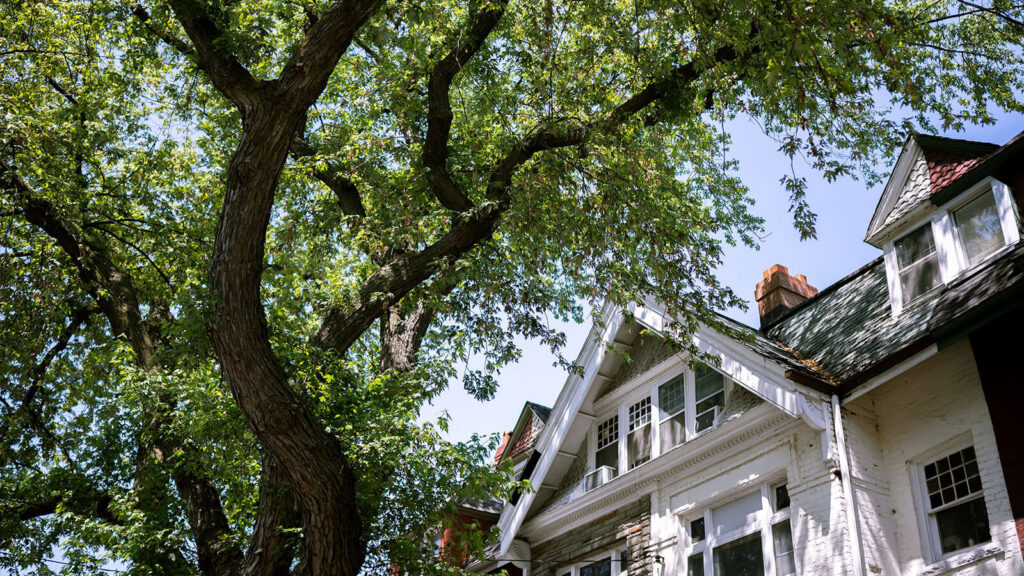
When Tree Branches Start Scraping the Roof: What Hudson Valley Homeowners Should Actually Worry About
A branch doesn’t have to crash through a roof to create a real problem. In a lot of Hudson Valley homes, the warning signs show up much earlier: a repeated scraping sound in the wind, shingle granules collecting below a limb, gutters clogging faster than usual, or a section of roof that never seems to dry out after a storm. That’s the point where many homeowners underestimate the issue. They assume it’s cosmetic. More often, it’s the beginning of roof wear, moisture intrusion, and avoidable repair costs.
What looks like a harmless overhanging tree can turn into a layered home maintenance issue, especially on older properties with steep rooflines, aging shingles, mature oaks and maples, and gutters already working harder than they should. If the limb is close enough to touch the roof in a breeze, it is close enough to damage the roof over time. And once a branch starts impacting flashing, shingles, or fascia, the repair bill usually becomes more than just a tree trimming job.
Why roof-contact branches cause more damage than homeowners expect
The obvious concern is impact. A falling limb can break shingles, dent gutters, or puncture decking. But the more common damage is slower and less dramatic. A branch rubbing on the same section of roof for months can wear away shingle surfaces, loosen nails, disturb flashing, and create a place for water to work in during freeze-thaw cycles. That kind of damage often hides until the next heavy rain or winter storm reveals it.
Contractors usually look beyond the branch itself. They check for lifted shingles, cracked sealant around flashing, soft spots near the roof edge, and signs that debris has been holding moisture against the roof surface. In the Hudson Valley, that matters because older homes often already have drainage quirks, uneven roof planes, or ventilation issues that make small problems escalate faster.
One counterintuitive thing homeowners often miss: the stain on the ceiling is not always directly below the actual leak. Water can run along rafters, framing, or behind trim before it finally shows up indoors. That’s why a branch problem and a ceiling stain can be related even when they seem separated by several feet.
What to inspect first if a limb is touching the roof
If you can safely look from the ground, start with the amount of contact. Light brushing in high wind is not the same as a branch resting on the roof or hanging over a ridge line. The closer the wood is to the shingles, gutters, and flashing, the more likely the issue is already causing wear.
Then look for these signs:
- scraped shingles or visible dark patches where granules are missing
- gutters full of twigs, bark, or leaf debris
- downspouts that back up after modest rainfall
- roof edges that stay damp longer than other areas
- trim, fascia, or soffit damage near the overhang
- small cracks in branches that suggest the limb is failing, not just reaching
If a storm has already passed through, it’s worth checking for roof damage after storms before assuming everything is fine. Tree contact and storm damage often overlap, and the tree is sometimes the part homeowners notice first even though the roof is where the real expense begins.
Why trimming is sometimes the right fix, and sometimes not enough
A lot of people assume the answer is simply “cut the branch back.” Sometimes that is correct. If the tree is healthy, the limb is stable, and the problem is limited to clearance, selective trimming can buy the roof room to breathe and drain properly. That’s especially useful before winter, when snow load and ice can drag branches lower than expected.
But not every overhanging limb is a good trimming candidate. If the tree is leaning, hollow, splitting at the union, or dropping large limbs regularly, the issue is no longer just clearance. In that case, the tree may be structurally compromised, and trimming only delays the bigger decision. That’s where a homeowner can waste money on repeated pruning without solving the actual risk.
For properties in Dutchess County, it can make sense to speak with tree service contractors in Dutchess County who can assess whether the problem is a single limb, a canopy issue, or a broader hazard around the roofline. In some cases, pruning is enough. In others, you need an honest recommendation about when tree removal may be the safer option rather than spending on short-term fixes that don’t last.
What contractors often notice that homeowners overlook
Homeowners usually focus on the branch that is obviously close to the house. Contractors tend to look at the whole pattern. Is the tree shedding debris into the gutters? Is the roof edge shaded and slow to dry? Are there multiple limbs threatening different parts of the structure? Is the real problem that the branch is reaching because the tree is growing toward light after years of crowding?
That broader view matters because one branch can be a symptom of a bigger site issue. Mature trees near the house often create moisture retention, blocked sun exposure, and repeated cleanup problems. On older homes, that can quietly shorten the life of roof materials, accelerate rot at the fascia, and stress already-vulnerable gutters.
Another thing contractors often flag is “repair by access.” If a limb is repeatedly rubbing a section of roof, someone will often climb up, patch a few shingles, and leave the tree in place. That kind of shortcut rarely lasts. The tree keeps moving, the patch keeps failing, and the homeowner ends up paying twice.
Why Hudson Valley homes are especially vulnerable
The combination of older housing stock, mature trees, and real winter weather makes this issue more common here than in newer suburbs with wider setbacks. Many homes in Westchester, Putnam, and Dutchess counties sit under established tree canopies that were never originally planned around modern roofing materials or current storm intensity. Add steep grading, long driveways, detached garages, and older gutters, and the problem compounds.
Freeze-thaw cycles make branch contact worse because wet debris can freeze against the roof edge, then pull at shingles when temperatures rise. Heavy rain can expose drainage issues under the same trees. And once a limb starts directing runoff in odd ways, water often ends up where it shouldn’t: behind gutters, under fascia, or against siding seams.
In some neighborhoods, especially where lots are wooded or shaded, homeowners are dealing with the same issue every season. That’s why trimming branches before storm season is usually cheaper than waiting until the roof, gutters, and landscaping all need attention at once.
When DIY makes sense, and when it gets risky fast
If a small limb is clearly reachable from the ground and there is no chance of contact with power lines, some minor pruning may be manageable for a confident homeowner with the right tools. But once the branch is over the roof, close to utility service, or likely to fall into siding or glass, the risk changes quickly. The danger is not just falling wood. It’s the unpredictability of how the branch will move once it’s cut.
This is where homeowners often get into trouble. They take down part of the limb, but the remaining weight shifts unexpectedly and drags across shingles, gutters, or windows. Or they cut it in a way that leaves a jagged stub, which later becomes a decay point and creates a new problem.
That is also why local property owners sometimes need Putnam County tree service pros rather than a weekend attempt. A good crew will think about drop zone, roof protection, branch weight, and whether the tree itself is signaling a deeper structural concern. In Westchester, where homes can sit tight to mature landscaping, the need for tree service help in Westchester County often comes down to safe clearance around roofs, chimneys, and service lines.
How small branch problems become expensive roof problems
The sequence is usually familiar. First, the branch rubs the roof. Then the shingle surface starts to wear. Then water finds the compromised spot during wind-driven rain. Then the homeowner notices a stain, a smell, or a soft patch. By the time it reaches that stage, the repair may involve more than roof shingles. Contractors may uncover damaged underlayment, wet insulation, or framing issues near the eaves.
That’s why delaying this kind of work often costs more than people expect. A trimming job that could have been handled before leaf drop can turn into roof repair, interior patching, and gutter replacement after one rough storm season. The cheap version of the fix is usually the one that addresses the tree before it contacts the house.
If the limb is already scraping siding, cracking trim, or shedding into the drainage system, it may also be worth comparing the cost of trimming versus more permanent action. That’s where a local resource like when tree removal may be the safer option can help homeowners think through the difference between manageable maintenance and a recurring hazard.
Practical next steps for homeowners
If you suspect a roof-contact branch is causing trouble, the best first move is usually not to wait for the next storm. Take a clear look from the ground, note whether the limb is touching the roof or simply close to it, and check whether gutters, shingles, or siding show any signs of rubbing. If there’s visible damage already, that is the point where getting a professional assessment becomes worth it.
It also helps to think beyond the tree itself. Ask whether the roof edge is already vulnerable, whether the gutter system is doing its job, and whether moisture has been lingering in one area longer than it should. A good contractor or tree professional will look at the problem as part of a larger exterior system, not just as a single branch to cut.
In many cases, that broader inspection is what keeps a manageable issue from becoming a repeat expense.
Frequently Asked Questions
How close is too close for a tree branch over a roof?
If the branch can touch the roof in wind or snow, it is already too close to ignore. Even without direct contact, repeated movement can wear shingles and clog gutters.
Can a branch really damage a roof without breaking anything obvious?
Yes. Slow rubbing can remove granules, loosen flashing, and create small openings that only show up later during heavy rain or ice.
Should I trim the branch myself?
Only if it is clearly small, low-risk, and far from the roof, siding, and utility lines. If the branch could fall onto the house or shift unpredictably, it’s safer to call a professional.
What’s the biggest mistake homeowners make with roof-contact trees?
Waiting too long. A branch that seems harmless in early fall can cause much more damage after snow, ice, or a strong wind event.
How do I know if I need trimming or removal?
If the tree is healthy and the issue is clearance, trimming may be enough. If the tree is splitting, leaning, or repeatedly threatening the home, removal may be the better long-term decision.
Why do these problems seem worse on older Hudson Valley homes?
Older homes often sit under mature tree canopies, and their roofs, gutters, and drainage systems may already be dealing with age-related wear. That makes branch contact more likely to turn into a broader maintenance issue.
If a branch is touching the roof, the safest move is usually to get ahead of it before the next storm exposes the problem. A careful local assessment can help you choose the right fix, avoid repeat damage, and protect the home without guessing.