

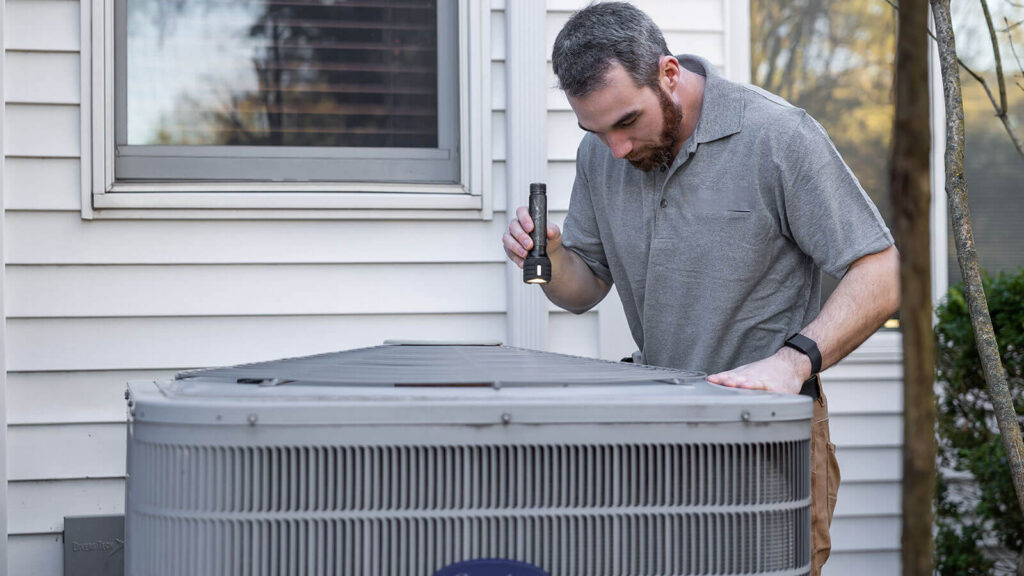
Why an Air Conditioner Starts Short Cycling in the Hudson Valley and What It Usually Means
When the AC keeps turning on and off, the problem is rarely “just the thermostat”
Short cycling feels minor at first. The system starts, runs for a minute or two, shuts off, then repeats the same pattern again and again. A lot of homeowners assume that means the unit is “working too hard” or that the thermostat is acting up. Sometimes it is that simple. More often, though, short cycling is the system’s way of telling you something upstream is off: airflow, refrigerant charge, dirty coils, a failing control board, or a safety switch doing its job.
That matters because repeated short cycling is rough on compressors, motors, and electrical components. It also leaves the house uncomfortable in a way that is easy to misread. The air may feel cool for a few minutes, so people wait, hoping the issue clears up. It usually doesn’t. If anything, the stop-start pattern tends to get worse as temperatures climb and the system is pushed harder.
In older Hudson Valley homes, the diagnosis can be especially tricky. Between long duct runs, mixed-age equipment, attic heat, and ductwork that was never sized with today’s cooling expectations in mind, the symptom can point in more than one direction. That is why seasoned HVAC contractors usually look at the whole system first, not just the thermostat on the wall.
What contractors usually check first
Before anyone starts talking about a replacement, a good technician usually tries to figure out whether the system is protecting itself from a deeper problem. That inspection often starts with the obvious items: filters, registers, condenser coils, evaporator coils, condensate drainage, and thermostat settings. Those sound basic, but basic issues are responsible for plenty of short cycling complaints.
A clogged filter can restrict airflow enough to cause the unit to overheat or freeze up. Dirty indoor coils can do something similar. A blocked condensate line or full drain pan can trip a safety switch and shut the system down. On the outdoor side, a condenser packed with cottonwood fluff, leaves, or spring pollen can make the compressor work harder than it should.
What homeowners often miss is that the visible symptom is not always the cause. The unit may appear to “randomly” shut off, but the real issue could be a pressure problem, a failing capacitor, a sensor that is reading incorrectly, or even duct leakage that is causing the system to hit temperature too quickly in one part of the house while another part never cools properly.
That last one catches people off guard. If the thermostat is near a supply vent, in a sunny hallway, or in a remodeled space with different insulation levels, the system can satisfy the thermostat too fast even though the rest of the home is still uncomfortable. The result looks like short cycling, but the root issue is uneven room conditions.
Why this shows up so often in Hudson Valley homes
The region’s housing stock is part of the story. A lot of homes in Dutchess, Putnam, and Westchester were built long before central air was standard. Add retrofits, additions, finished attics, older ductwork, and seasonal humidity swings, and the system has to work harder to deliver stable comfort. That is especially true in houses with unfinished basements, older insulation, or second-floor rooms that trap heat during humid stretches.
Spring startup can make these issues appear suddenly. A system may have survived the winter looking fine, then short cycle as soon as the first real heat wave arrives. That is one reason homeowners should prepare your HVAC system for summer before the season turns hot. Catching weak airflow, dirty components, or drain issues early is usually much cheaper than waiting until the compressor is stressed in July.
There is also a regional weather pattern that makes the situation more frustrating. Hudson Valley weather can swing from cool mornings to muggy afternoons in the same week. That kind of fluctuation exposes systems that are borderline to begin with. A unit that seemed “okay” during a mild spring day may start short cycling once humidity and heat load climb.
The expensive mistake most homeowners make: assuming short cycling is harmless
Short cycling is one of those problems that feels livable right up until it isn’t. The house is still getting some cooling, so people delay the call. That delay can turn a manageable fix into a much bigger repair. A compressor that keeps starting and stopping under strain tends to wear out faster. Electrical components take repeated hits. Moisture can accumulate where it shouldn’t. And when airflow is poor, icing can form on the evaporator coil, which creates even more shutdowns.
The counterintuitive part is that the loud, annoying symptom is often not the expensive failure. A noisy startup may seem alarming, but the quieter underlying issue—low refrigerant, poor airflow, or a failing control—can be the real cost driver. Contractors tend to take that seriously because it is a pattern they see over and over: the homeowner notices the sound, but the system has usually been struggling for a while before the noise became obvious.
Another common mistake is the “thermostat swap” approach. Replacing the thermostat can help if the device is truly faulty, but it is not a cure for a coil freezing, a blocked drain, a weak capacitor, or a pressure issue. Internet advice often overstates thermostat problems because they are easy to understand. Real systems are less tidy than that.
Signs the issue is more than a simple setting problem
Some symptoms point toward a deeper mechanical or electrical issue:
- The system starts and stops every few minutes even after the filter is changed.
- Airflow feels weak at multiple registers.
- The indoor coil or refrigerant line shows signs of icing.
- The condensate pan fills repeatedly or the drain keeps backing up.
- The outdoor unit hums, then shuts down before completing a normal cycle.
- Different rooms cool unevenly, especially upstairs.
- The breaker trips, or the system makes a harsh click on startup.
One of the first things a good technician will ask is whether the short cycling happens on every call for cooling or only during certain times of day. That detail can point to a lot. If the issue shows up mainly in the afternoon, heat load or airflow may be the problem. If it happens after the system runs for a while, the unit may be overheating or freezing. If it happens almost immediately after startup, controls, safety switches, or electrical components move higher on the list.
Where DIY helps, and where it starts to get risky
Changing a filter, clearing debris around the outdoor unit, and checking thermostat settings are reasonable first steps. Homeowners can also make sure supply vents are open and that curtains, furniture, or rugs are not choking off airflow. Those are practical checks, not miracles, but they can eliminate the simplest causes.
After that, the line between DIY and guesswork gets thin. Opening electrical panels, checking refrigerant, bypassing safety switches, or trying to “reset” a system repeatedly can turn a small issue into a larger one. It is especially easy to make a bad call when the system briefly seems to work after a reset. That temporary recovery can make the homeowner think the problem is gone when the underlying fault is still there.
Short cycling combined with icing, burning odors, breaker trips, or water around the air handler is not the place to keep experimenting. Those are signs that professional diagnosis is the safer route. If you are in the middle of a cooling failure and need help sorting out whether the issue is local to your house or part of a bigger equipment problem, it may be worth looking at Putnam County HVAC services or local HVAC help in Westchester County depending on where the home is located.
Why delaying this repair often costs more than people expect
Short cycling usually does not stay a “minor annoyance” for long. When a compressor is forced through repeated starts, the wear is cumulative. Even if the system limps along for weeks, the extra stress can shorten the lifespan of major components. In practical terms, that means a fix that might have involved a capacitor, sensor, or airflow correction can become a much larger service call later.
There is also an efficiency penalty. A short-cycling system often uses more electricity while delivering less comfort. Homeowners sometimes see the electric bill and assume the hot weather alone caused it. The reality is that an inefficient cooling cycle can inflate costs fast, especially during humid spells when the unit is already working harder to remove moisture from the air.
And in older homes, the issue can affect more than comfort. Excess humidity can make basements feel damp, encourage musty odors, and put more strain on wood trim, plaster, and finishes. It does not take long for that kind of moisture problem to become part of the home’s larger maintenance picture.
What a good repair conversation should sound like
A trustworthy HVAC contractor should be able to explain not just what failed, but why the system was short cycling in the first place. That distinction matters. Replacing a part without addressing airflow, drainage, or sizing issues can lead to repeat visits and the same complaint all over again.
If the diagnosis points to a seasonal startup issue, it may be worth checking whether the system simply needs a full tune-up before summer or whether there is a bigger airflow, duct, or control issue hiding underneath. For homeowners trying to avoid a rushed decision, this is where a broader look at the equipment can be useful. A service visit that connects current symptoms with long-term maintenance is usually more valuable than a quick part swap.
That is also why seasonal planning pays off. It is easier to correct a drain problem, clean coils, or catch a weak capacitor before the first extended heat wave than after the system has already been cycling itself into trouble. A lot of repair frustration comes from timing, not just the repair itself.
Frequently Asked Questions
Is short cycling always a sign of a major HVAC failure?
No. Sometimes it is something simple like a dirty filter, clogged drain line, or thermostat issue. But repeated short cycling is still worth taking seriously because it can point to bigger airflow, refrigerant, or electrical problems.
Can a thermostat cause an AC to short cycle?
Yes, but it is not the most common cause. A bad thermostat, bad placement, or incorrect settings can contribute. Still, contractors usually check the rest of the system before blaming the thermostat alone.
Why does my AC short cycle more on hot afternoons?
That usually suggests the system is struggling under heat load, poor airflow, or humidity. Afternoon short cycling can also point to duct issues or a unit that is undersized for the home.
Should I keep running the system if it is short cycling?
If the system is short cycling but still cooling, some homeowners keep using it for convenience. That is understandable, but it can increase wear quickly. If the cycling is severe, or if you notice icing, tripping breakers, or odd noises, it is better to shut it down and have it checked.
Is short cycling common after winter startup?
Yes. Dust, clogged drains, weak capacitors, and hidden wear often show up when the system is first put back into regular service. That is one reason spring maintenance can prevent a lot of summer trouble.
What is the first thing I should do if my AC starts short cycling?
Check the filter, make sure vents are open, and look for obvious debris around the outdoor unit. If that does not solve it quickly, stop guessing and get the system inspected before the problem gets more expensive.
If your cooling system is short cycling, the safest move is usually to get a real diagnosis before the symptom turns into a compressor problem or a full mid-summer breakdown. A good local contractor should be able to tell you whether you are dealing with a simple maintenance issue, a failing component, or a larger system problem that needs attention now rather than later.