

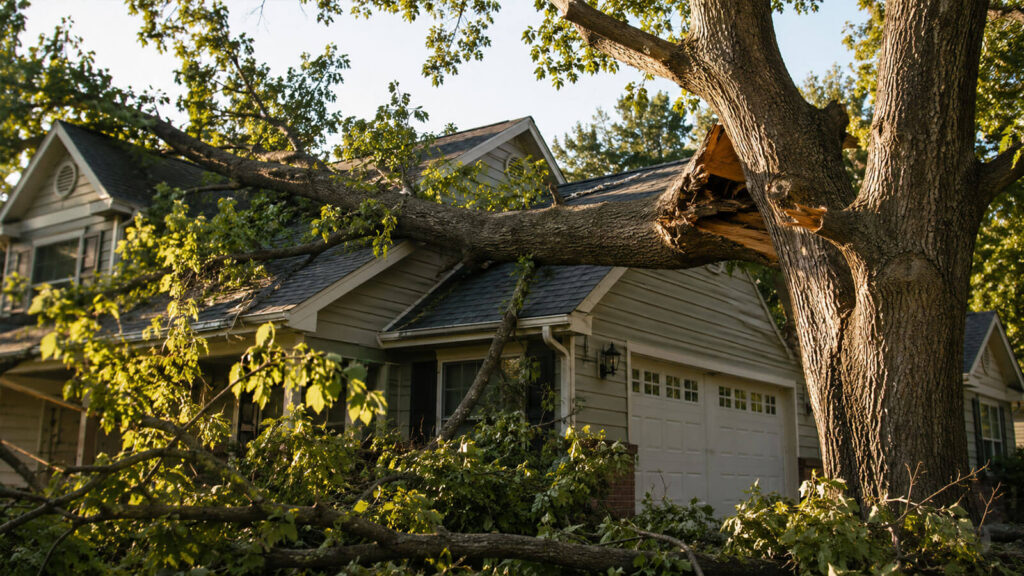
The cheapest tree crew is not always the one that saves you money. In fact, that’s usually where Hudson Valley homeowners get surprised: the job looks fine from the driveway, then the first storm exposes what was missed. A limb wasn’t properly reduced. The cut was made too close to the trunk. Brush was left where runoff can trap moisture. Or the crew focused on speed instead of the parts of the tree that actually affect the roof, siding, driveway, or power lines.
That gap between “looks done” and “actually protected the property” is where a lot of hidden cost lives. If you’ve ever gotten a quote that seemed unusually low, it’s worth pausing before you hire. Tree work is one of those trades where shortcuts can be hard to see right away and expensive later. The wrong decision can lead to roof damage, drainage problems, repeated pruning, or even an emergency removal after the next heavy wind.
For homeowners comparing options, it helps to think beyond the price tag and look at whether the crew behaves like experienced qualified tree services contractors or like a quick-quote outfit trying to move on to the next property. That distinction matters a lot more on older lots with mature maples, oaks, hemlocks, or leaning trees near a stone foundation than it does on a small suburban yard with easy access.
What the low quote usually leaves out
When a quote comes in far below the others, it rarely means the same work is being offered for less. More often, something important is missing. Sometimes it’s cleanup. Sometimes it’s stump grinding. Sometimes it’s proper rigging for tight spaces, insurance coverage, or the time needed to work around a roofline, septic area, fence, or long private driveway.
Contractors who know what they’re doing tend to spend time on the unglamorous part of the estimate: access, drop zone, tree condition, lean direction, nearby structures, and where the wood can safely come down. A cheap crew may not mention those details because they’re planning to rush through them or ignore them. That is how branches end up hitting gutters, buried utility lines get exposed, or the tree comes down in pieces that damage the lawn and landscaping.
Another thing homeowners often miss: a low quote can be low because the crew is not planning for the tree’s real condition. Dead wood, storm cracking, internal decay, and root instability change the job. A tree that looks manageable from the street may require a very different approach once someone is actually in the canopy or inspecting the trunk at the base.
The hidden cost is often in the aftermath
The most expensive part of cheap tree work is often not the removal itself. It’s the cleanup and repair that comes later. Shallow cuts can leave stubs that decay and attract pests. Poor pruning can create weak regrowth, which means you’re paying again sooner than expected. If a tree was topped instead of properly reduced, the new growth can become denser, heavier, and more failure-prone than before.
That’s one reason experienced crews pay attention to branch structure, not just branch length. They’re looking at how the tree will respond over the next few seasons, especially in a region where freeze-thaw cycles, heavy rain, and snow load keep testing weak limbs. A quick cosmetic trim may look tidy for a month. It may also set the homeowner up for repeat work in a year or two.
There’s also the issue of hidden property damage. A low-cost crew may not notice a soft spot in a roof edge, damaged flashing, clogged gutters, or soil heave near the foundation. But once a tree is removed or trimmed, those issues become more obvious. If the work was sloppy, the homeowner can wind up paying separately for the tree job, the exterior repairs, and the storm-related cleanup after the next weather event.
What experienced crews inspect first
A good tree contractor usually starts by reading the site, not just the tree. That means checking the lean, the canopy, the trunk, the root flare, and the surrounding hazards. But it also means noticing what homeowners often overlook: drainage patterns, wet soil, overhead lines, cracked pavement, dead limbs hanging over a detached garage, and whether the tree is already affecting the roof or gutters.
In the Hudson Valley, that site reading matters because the conditions are rarely simple. Mature trees on sloped lots can shed water in odd ways. Properties with older stone foundations or damp basements may already be vulnerable, and a tree with failing roots can make the soil behavior worse. On wooded lots, homeowners sometimes focus on the obvious problem tree and ignore the nearby trees that are stressed in the same way.
If the contractor barely looks around before quoting, that is a warning sign. Tree work is one of those trades where the price should reflect what was actually inspected, not just what was visible from the road. A proper estimate should account for access and disposal, and sometimes that means a local comparator like tree service contractors in Dutchess County who are familiar with the mix of rural lots, older homes, and tight access that makes these jobs more complicated than they first appear.
Why DIY advice online can be misleading here
Some tree problems look simple enough to handle with a saw and a Saturday afternoon. That’s where trouble starts. A homeowner may correctly identify a dead limb but misjudge the way it’s loaded, where it will swing, or what it will hit on the way down. The branch that looks small from the ground can shift with surprising force once it starts moving.
Even light pruning gets risky fast near power service, glass, roofs, fences, or wet ground. And in older Hudson Valley neighborhoods, there’s often more going on than homeowners realize: outdated electrical service, shallow root systems, buried lines that aren’t where they’re expected to be, and older structures that don’t tolerate impact well.
One counterintuitive thing contractors see all the time: the most dangerous-looking branch is not always the one that causes the most damage. Sometimes the larger concern is a smaller limb with hidden decay or a tree with an uneven load that shifts unpredictably during cutting. That’s why “it looked easy” is not the same as “it was safe.”
Cheap tree work often fails because the real problem was never addressed
Homeowners usually call for tree work because of something visible: limbs rubbing the house, branches over the driveway, a tree that lost weight in a storm, or leaves clogging the gutters every fall. But the real issue may be below the surface. Root disturbance, poor soil drainage, compaction from vehicles, or past topping can all make a tree behave badly even if it still looks mostly healthy.
That’s especially relevant after winter. A tree that seems fine in January may show damage in March or April once the snow load is gone and the broken limbs finally hang loose. Some crews are good at handling post-winter tree cleanup issues; others just cut off what they can reach and leave the underlying hazard in place.
Cheap work also tends to ignore the next storm. The goal should not be to make the tree “look better” for photos. It should be to reduce failure points, clear dangerous conflicts, and leave the property less exposed when wind or ice returns. That is where a more careful, methodical approach pays off.
Situations where paying a little more usually makes sense
Not every tree job needs a major budget. But some situations are worth spending more on because the cost of a mistake is much higher than the difference between bids. Those situations include trees near roofs, lines, septic fields, retaining walls, detached garages, pools, and driveways where falling material can block access.
It also matters when the tree is already showing structural problems. Cracks in the trunk, mushrooms at the base, hollow sounds, sudden lean, or repeated branch drop are not “wait and see” features. They’re reasons to get a more serious evaluation. If a tree needs removal, homeowners often want a clear sense of scope and pricing. A related guide like what tree removal can really cost can help set expectations before the first estimate arrives.
In counties like Putnam, where properties often combine hillsides, older infrastructure, and mature tree cover, a careful crew matters even more. Homeowners comparing options may want to look at Putnam County tree service pros who are used to the access issues and storm cleanup patterns that come with the area.
How to compare estimates without getting trapped by price
The best comparison is not “who is cheapest?” It’s “who actually addressed the same work?” Look for whether the estimate includes trimming height, rigging, cleanup, haul-away, stump work if needed, and any handling of branches over structures. If a quote is vague, that vagueness usually benefits the contractor, not the homeowner.
Ask what happens if the crew finds internal rot, a split union, or poor access on the day of the job. Good contractors usually have a plan for that. Less reliable crews tend to make it up as they go, which is how a simple pruning job becomes a half-finished mess in the yard.
It is also worth asking about timing. A rushed schedule can be a red flag, especially in storm season when everybody is busy. The right crew may not be the one that can start tomorrow. It may be the one that can explain the job clearly, show up with the right equipment, and protect the rest of the property while the work is underway. That same mindset is why homeowners in Westchester often choose trusted tree services in Westchester County when they want a crew that understands how quickly a trimming job can turn into a repair problem.
Why storm season changes the equation
Tree work that seems optional in calm weather becomes urgent after a windy spring or a wet, heavy snowfall. The Hudson Valley’s storm patterns make weak limbs and overextended canopies more expensive with every delay. A branch that rubs a roof today may become a puncture point after the next ice storm. A tree leaning slightly toward the house may not fail this week, but it rarely improves on its own.
This is where preventative work is usually cheaper than reactive work, even when the upfront bid feels uncomfortable. Homeowners often spend less by trimming before storm season than by paying emergency rates, repair costs, and cleanup after an avoidable failure. If you’re already seeing branch crowding or limb stress, tree trimming before storm season is usually a smarter conversation than waiting for the first loud crack.
And once a tree has already been stressed by winter damage, it is often part of a bigger cleanup picture rather than an isolated issue. That is when full-property assessment matters more than a fast, isolated cut.
Frequently Asked Questions
Is the lowest tree service quote ever a good deal?
Sometimes, but only if it includes the same scope, cleanup, and risk handling as the other bids. If the price is much lower, something is usually missing.
What should a tree service estimate include?
At minimum, it should explain what trees or limbs are being worked on, how debris will be handled, whether hauling is included, and whether stump or access issues affect the cost.
Why do tree prices vary so much from one contractor to another?
Tree work pricing depends on access, height, equipment, risk, cleanup, insurance, and whether the tree is near structures or utilities. Two jobs that look similar can be very different once inspected properly.
How do I know if a tree is an urgent problem?
Watch for sudden lean, trunk cracks, large dead limbs, fungus at the base, root lifting, or branches that are already hitting the roof or power lines. Those are not issues to put off.
Can pruning be done too aggressively?
Yes. Over-pruning or topping can create weak regrowth and shorten the tree’s useful life. It may look neat at first, but it often creates more work later.
Should I wait until after winter to deal with a questionable tree?
Not if the tree is already showing visible failure, heavy lean, or branch loss. Waiting can make a manageable issue turn into an emergency when snow, wind, or saturated soil adds pressure.
When tree work affects the safety, structure, or drainage around a home, a careful contractor is worth more than a fast one. If you’re comparing options, focus on the details that protect the property long term, not just the number at the bottom of the estimate. That is usually where the real savings are.